Somewhere in Lahore there’s a plastic folder on top of a cupboard, the clear kind with a press-stud, and inside it are photocopies of a degree, an attested transcript, a domicile, four passport photos going slightly curly at the edges, and about sixty printed CVs, each one tweaked a little for a different job. The young man it belongs to graduated with a commerce degree two years ago. He’s been to eleven interviews, been told ‘we’ll call you’ at nine of them, and has quietly stopped telling relatives at weddings how the search is going, because the questions make it worse. At Profyd, we meet graduates carrying folders just like his every week, and their stories explain the numbers better than most reports do.
And his story is ordinary, which is the hard bit to swallow. The unemployment rate in Pakistan has kept economists, politicians and a great many mothers awake for years, and for young graduates it usually feels a lot worse than whatever number gets quoted on the evening news. Each year millions more young people reach working age, the economy adds nowhere near enough decent jobs to soak them up, and the leftover end up in folders on top of cupboards. Why it keeps going this way is a knot of causes, a few of them decades old, a few fairly new, and a couple that one determined job seeker can actually do something about.
This article untangles that knot. You’ll read about why the unemployment rate in Pakistan has stayed so stubborn, the young population, the stop-start economy, degrees that don’t match what employers want, the women who never get counted in, the well-placed uncle problem, and then, more usefully, what an ordinary job seeker can actually do about it this year.
Why the Unemployment Rate in Pakistan Refuses to Come Down
The official numbers come out of the Pakistan Bureau of Statistics, mostly through its labour force surveys, and once you read past the headline a few things jump out. Huge numbers of people are ‘working’ in ways the figure barely sees: a nephew minding his uncle’s mobile shop for pocket money, an MBA driving a ride-hailing car till 2 a.m., a woman stitching shalwar kameez at home for a middleman who pays by the piece. On paper many of them count as employed. In real life they’re nowhere near using what they studied, which economists call underemployment and most families call ‘not a proper job yet, inshallah soon’.
Too many young people, not enough jobs
The country is young, startlingly so, with a huge share of people under thirty. That should be a gift, all that energy and all those hands. It only turns into one, though, if jobs multiply about as fast as job seekers do, and for most of the past twenty years they simply haven’t. Think of a wedding hall with three hundred chairs and five hundred guests turning up; it doesn’t matter how well-dressed the extra two hundred are, they’re standing at the back.
An economy that keeps stopping and starting
A man who runs a small towel-weaving unit put it bluntly over tea once: when he doesn’t know what his gas and electricity will cost next winter, he doesn’t hire, full stop. Growth in this economy tends to come in short bursts and then stall, around a rupee slide or a new loan deal or petrol jumping again on a Friday night, and every stall leaves owners like him sitting on their hands. Multiply his caution by thousands of workshops and offices and you’ve got a lot of jobs that should have existed and never did, which shows up a year later in the unemployment rate in Pakistan without anyone quite noticing why.
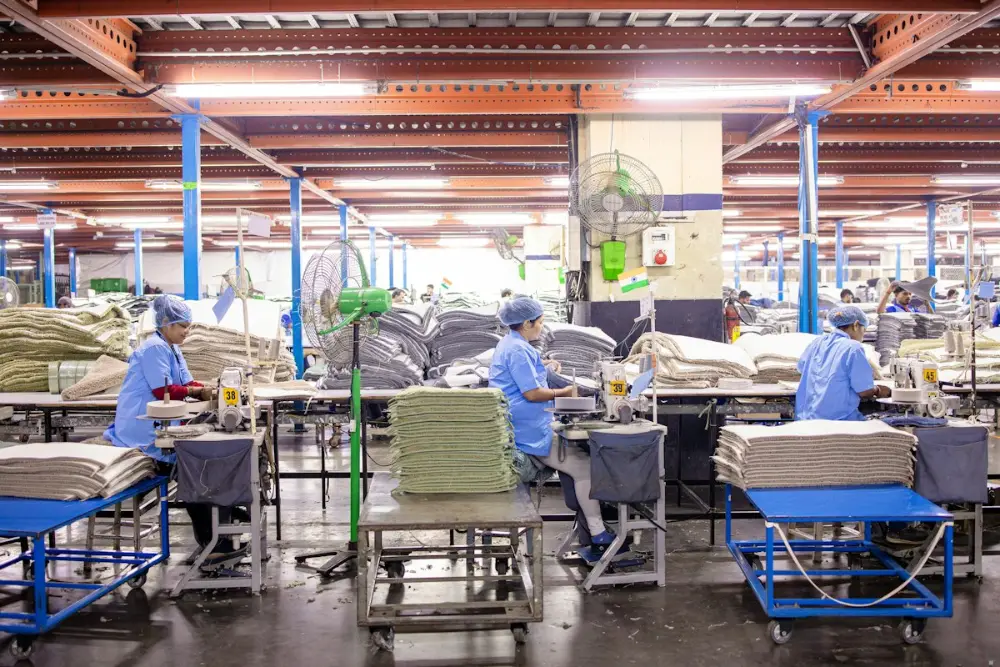
Industry has been hit especially hard. Textiles, still the biggest employer in manufacturing, has gone through rough patches with high energy costs, and when mills cut shifts the effect runs right down to the families of the workers on the factory floor.
The skills mismatch
HR people mention this first, nearly every time. The young man with the folder did his final-year project as a forty-page report on a textbook model, and not once in four years did anyone sit him in front of a pivot table. So when an accounts firm slid a laptop across the desk during one interview and asked him to clean up a messy sales sheet, his mind went white. He told his friends afterwards it felt like being asked to drive a car after only reading about one, and the job went to a boy two years younger with a short course and a laptop full of practice files.
At the same time, some industries can’t find enough people. Software houses, digital agencies and call centres regularly complain about vacancies that sit open for months. So the jobs are out there; the fit isn’t. Picking up a technical skill that companies are crying out for, and this guide on which programming skills to learn first is a decent place to begin, is one of the most direct ways across that gap.
Education that doesn’t lead anywhere specific

Plenty of students end up in a degree because a chacha suggested it at a family dinner, or because it sounded respectable when they were seventeen and had no idea what any job actually involved. Careers guidance in a lot of schools amounts to one hurried assembly in Grade 10. So every spring a wave of graduates pours into the same few crowded fields while other fields go begging, and the crowded lot end up applying for the same handful of openings, which is how a single advert for a junior accountant in Lahore can collect eight hundred CVs before the weekend.
The women who never get counted in
Then there are the women, and the scale of it is startling once you look. Picture the girl who topped her class in chemistry and then got engaged in final year to a family that didn’t love the idea of her riding a bus across Lahore every morning. Or the young mother whose manager refused, every single time, to let her leave early when the baby had a fever, until one month she just didn’t come back. A few million stories like those push the unemployment rate in Pakistan up and keep a vast amount of ability sitting at home, though working online from the dining table has started to change that for some of them.
Hiring through connections
Ask a room full of job seekers for the most useful qualification and someone at the back will say ‘a well-placed uncle’, and the whole room will laugh, partly because it’s funny and partly because it isn’t entirely untrue. Lots of smaller organisations fill posts through a quiet referral before anyone writes an advert, so outsiders are competing for a narrower slice than the job portals make it look. Graduates who stay in touch with the classmate who got hired first, take a summer internship even if it’s unpaid, and turn up to the odd industry event tend to hear about those quiet openings much earlier.
What Job Seekers Can Actually Do
Nobody can fix a national economy alone, obviously. Still, people do find work in this market every week, and the ones who manage it tend to share a few habits: skills an employer can actually see, a willingness to take a first job a rung lower than they’d hoped, and a search that’s focused on a few good targets instead of sprayed everywhere.

Look where demand is growing
Online work, IT, digital marketing and customer support have kept hiring even in years when the rest of the economy sulked. This list of the most in-demand online jobs in Pakistan shows where demand is strongest right now, and a good number of those roles take months, not years, to learn.
Customer support deserves a special mention as a way in. The pay is reasonable, it sharpens communication like nothing else, and two years on the phones often leads to a team lead, quality or operations role, a route explained well in this guide on how to build a successful career in customer support.
For anyone in the city ready to try it, Profyd keeps current openings on its customer support jobs in Lahore page, and many of them take fresh graduates.
Aim at fewer, better employers
The same CV fired at every advert in sight almost never works, as the young man with the folder can confirm. A better plan is choosing fifteen or twenty employers that genuinely fit, reading up on what they actually do, and changing each application to suit, which takes longer per CV but gets far more replies. This round-up of the top companies to apply to makes a sensible starting list.
It also helps to be honest about level. A fresh graduate applying for manager roles wastes everyone’s time, while someone with three years’ experience applying for internships undersells themselves. This piece on finding the right job opportunity for your experience helps match applications to where you really are.
Conclusion
So the young man with the plastic folder isn’t failing, whatever the aunties at weddings imply. He’s stuck in a system where far too many people are chasing a short list of good jobs, holding a degree that never taught him what employers ask about now. Nobody should expect the unemployment rate in Pakistan to drop overnight; bringing it down for real means steadier growth, better training, and a lot more space for women at work. One person still has a few levers, though. Learn something employers are actually short of, pick employers carefully, take a first step that’s a rung lower than the dream, and the twelfth interview might be the one where somebody finally asks ‘so, when can you join?’
FAQs
Why are so many graduates out of work?
Mostly a mismatch. Many courses teach things employers stopped needing years ago, and the number of graduates keeps going up faster than the number of decent jobs for them to fill.
Is anyone hiring despite the high unemployment rate in Pakistan?
Yes, a fair few. IT firms, digital agencies, online work and customer support have kept hiring through bad years, and so has teaching, especially online with students overseas.
Does the official figure tell the whole story?
Not quite. Lots of people do some work, just not the work they trained for, say a graduate selling phone covers in a market or an engineer driving a rickshaw in the evenings, and the headline number doesn’t see that.
Okay, so where does a fresh graduate begin?
With one skill employers keep moaning they can’t find, learned properly, a few real samples of work online to prove it, and ten careful applications instead of a hundred copies of the same CV.