Two friends finished their master’s in physics in the same year and went opposite ways. One took a job at a well-known private school, the kind with a guard at the gate and a staff room that smells permanently of instant coffee, teaching Grades 9 and 10 for a starting salary that her mother described, kindly, as a beginning. The other set up a ring light and a second-hand laptop in the corner of his bedroom and started taking O Level students online, mostly from Pakistani families in the UK, at odd hours that wrecked his sleep for the first few months. Five years on they still argue at weddings about who chose better, and neither has quite won. At Profyd, we hire for classroom posts and online tutor jobs alike, so teachers bring this same debate to us almost every week.
Plenty of new teachers are having that same argument inside their own heads right now. Online tutor jobs have grown quickly in Pakistan, pushed along by families in Lahore who are sick of the academy traffic and by overseas students in the UK, USA, Canada and Australia who want someone who knows their syllabus and also understands what dinner at their house is like. Schools haven’t gone anywhere, mind, and a classroom gives a teacher things no webcam can. So which one actually grows a career faster? It depends on what someone means by growth, and the real answer is a good deal messier than either side lets on at those weddings.
So this article lays the two paths side by side, honestly. You’ll find the money in the first few years, what it takes to get hired in each, the catch hidden inside ‘flexible hours’, how a career actually grows in a school versus online, the lonely bit nobody warns you about, and a rough guide to which route tends to suit which kind of teacher (spoiler: plenty end up doing both).
Online Tutor Jobs vs the Classroom: What Each Week Looks Like
Ask the school teacher from the opening what her week looks like and she’ll list it off without thinking: six periods most days, a free period that always gets eaten by cover duty, two parent meetings, a pile of forty copies on her dining table every Sunday, and the occasional moment, maybe twice a term, when a quiet kid in the back row suddenly gets it and lights up. Her friend’s week is lumpier. Some days six students back to back from four till midnight, some days barely two, no copies to mark in the traditional sense but a lot of messages from parents on WhatsApp at strange hours.

Money, at least in the early years
Early on, this is where online tutor jobs usually win, and not by a little. A decent O Level or A Level tutor charging overseas families by the hour can overtake a starting school salary inside the first year, sometimes inside a few months if a couple of happy parents start recommending them in their community WhatsApp groups. The flip side is that nothing is promised. Half a dozen students sit their final papers in June and the timetable empties almost overnight, and a tutor who didn’t plan ahead can spend July staring at a very quiet calendar and recalculating the electricity bill, which is roughly what happened to the friend from the opening in his second summer.
School money starts smaller and creeps up slowly, a raise each year if the management is feeling generous, but it lands in the account on the same date every month whatever happens. There’s paid leave, sometimes a provident fund, and the kind of steadiness that matters enormously to someone with a family leaning on them. Lots of teachers in Lahore stay in schools for exactly that, and nobody should look down on it.
Qualifications and getting a foot in the door
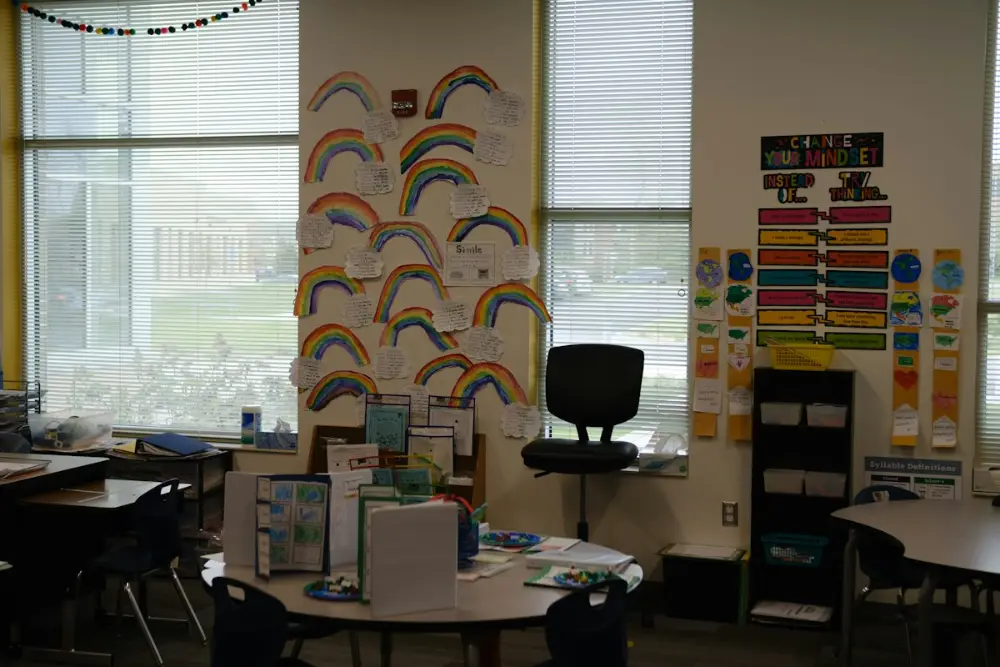
Schools are pickier on paper. Plenty of them want a B.Ed or a relevant master’s on top of the subject degree, and getting hired usually means a written test, a demo lesson in front of a panel of three people taking notes without smiling, and an interview that feels a little like a viva from university days.
Primary sections often have their own extra boxes to tick, from early years training to a certain number of years’ experience, and this guide on what qualifications primary teacher jobs require goes through them properly.
Online work is looser. Lots of tutors begin with a strong degree and a few awkward hours practising in front of a webcam, and families end up judging them mostly on results and word of mouth. Anyone starting from scratch can find a realistic route in this piece on online teaching jobs in Pakistan without experience.

Flexibility, and what it costs
The tutor from the opening likes to say he can take a Tuesday off whenever he wants. He rarely does, mind you, because a Tuesday off is a Tuesday unpaid, and the students in the UK only have certain evenings free. Flexibility in online tutor jobs is real but it bends around other people’s time zones and exam calendars, and it can quietly turn into working every evening of the week.
For parents, especially mothers with small children, that flexibility is still a huge draw. Being able to teach from home in the morning while a toddler naps, then again after dinner, is something no school timetable offers. Making it work without burning out takes some planning, and this article on how to balance online teaching jobs and family has practical ideas from people who manage it.

Career growth inside a school
Schools offer a ladder, even if the rungs are spaced quite far apart. A subject teacher can become a head of department, then a coordinator, then perhaps a vice principal, with each step bringing more pay, more say in how things are run and, admittedly, more meetings. Training is often provided, and good schools send their staff on workshops and international curriculum courses that look very good on a CV.
Then there’s the circle of people around you, which is easy to shrug off at twenty-four. A senior teacher down the corridor who shows you how she handles the class that ate the last three supply teachers alive. A principal who’ll write a glowing reference when a school abroad comes calling. That network grows almost by accident in a school and is surprisingly hard to build later from a spare bedroom.
How an online tutor grows instead
Online, there’s no ladder at all, more a staircase you lay one step at a time yourself. The tutor from the opening went from one-to-one lessons to small groups of four, then recorded a short revision course he sells every spring, and now passes his overflow students to two younger tutors and takes a cut, which has slowly turned him into a small business without anyone handing him a title. Some tutors go further and out-earn any vice principal they know. Others find a comfortable number of students and happily stay put for years, which is a choice too.
The skills pile up too: marketing yourself, handling parents, managing a calendar across three time zones, using digital tools well. Plenty of teachers say moving online changed how they saw their whole career, a feeling captured well in this piece on how to redefine your career with an online teaching job.
The lonely bit nobody mentions
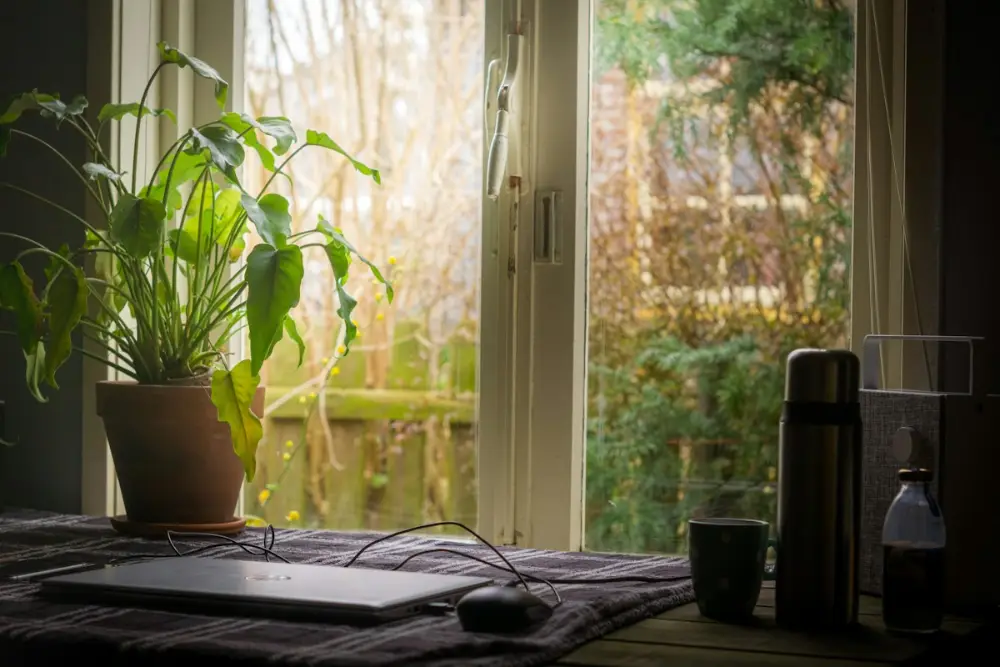
One thing online tutors bring up again and again, usually after a few years, is how isolating it can get. No staff room gossip, no shared lunch, no colleague to roll eyes with after a difficult parent call. Some fix it by joining tutor groups online, some by keeping a part-time school job alongside, which is becoming quite common and gives them the best of both.
Which path suits whom
Very roughly, people who like stability, a visible promotion path and a team around them tend to be happier in schools, and people who can stomach some risk, enjoy being their own boss and don’t mind teaching at nine at night often do better online. Fresh graduates who can’t decide don’t have to, honestly. A school job by day and two or three evening students online for a year will show pretty quickly which one gets them out of bed, and some first steps for either route are collected in this guide on how to start your teaching career.
Subject matters too. Physics, chemistry and maths tutors are in particularly high demand, both online and in schools, and Profyd keeps a running list of openings on its physics teacher jobs page for anyone weighing up their options.
Conclusion
Those two friends still haven’t settled it and probably never will, because they were keeping score with different things. She values the ladder, the colleagues and the salary that never misses a month. He values the money he made early, the freedom to shape his own week, and the little business he’s built. Online tutor jobs and classroom teaching both grow careers, just in different directions, and which one fits comes down to how much uncertainty a person can sleep through and what their family needs right now. More and more teachers simply do a bit of both, which might be the cleverest answer of all.
FAQs
Do online tutor jobs pay more than school teaching in Pakistan?
Often, yes, especially for experienced tutors teaching students abroad. But the income is less predictable than a school salary.
Do online tutor jobs need a B.Ed?
Not usually. Online, families care far more about whether their child’s grades go up, though a teaching qualification can help with a few of the bigger platforms.
Can someone do both at the same time?
Lots do, and it’s becoming quite normal. School during the day, three or four online students in the evening, and a weekend kept free if they’re disciplined about it.
Which offers better long-term growth?
It depends what you’re after. Schools give a clearer promotion path with titles attached. Online tutoring gives more room to build something of your own, with no ceiling but also no safety net.