
Start Your Successful Career in Customer Support
Customer support is often mentioned like it’s an entry-level stepping stone, a sort of place people pass through on the way to something else. But honestly, that view kinda misses what’s happening day to day in this area. These customer support jobs in Lahore have, over time, become strategic roles inside modern orgs, and the people who do well at them end up stacking skills that are transferable, highly in demand and also kind of career-defining. So if you’re brand new or you’re aiming to grow within this space, it’s worth paying real attention to how to build a meaningful customer support career. Profyd helps professionals like you connect with companies that actually notice the quality of your support work and reward it too.
What Customer Support Actually Involves Today
Customer support roles have moved way past just answering phone calls. Nowadays the people in these positions juggle multi-channel communication, like chat, email, social media, and phone, all at once sometimes. They diagnose technical issues, calm upsets with real empathy, push harder problems to the right teams when needed, and basically act as the human face of the brand, for better or worse.
And in companies that actually care about customer experience, support teams don’t just “respond” and then disappear. They usually have direct say in product development, policy choices, and even marketing direction. Since they’re closest to the customer, they hear the feedback first. So a strong customer support professional ends up with genuine leverage, not only a transactional kind of job.
Core Skills That Define High Performers in Customer Support
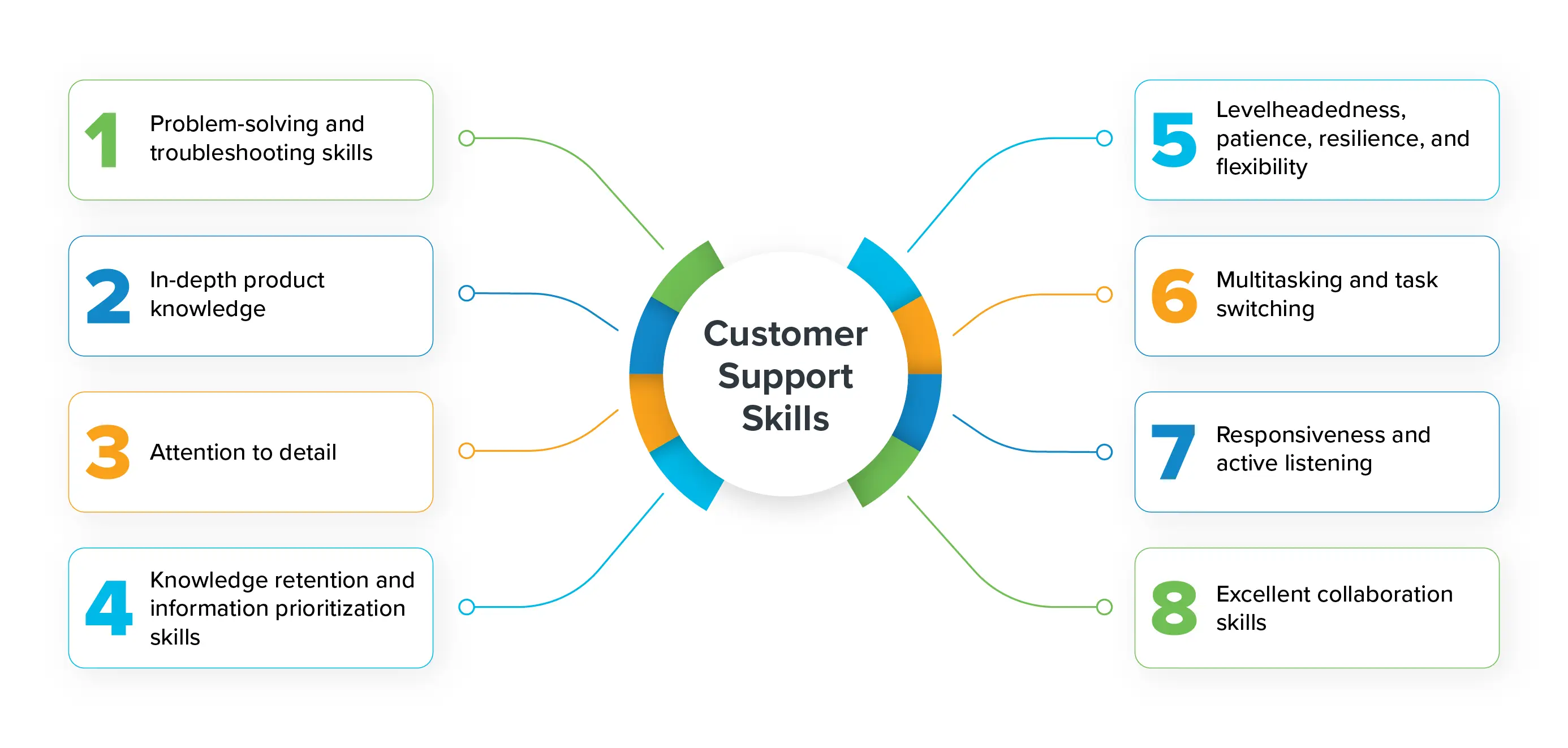
Some capabilities tend to keep showing up, separating average support professionals from the exceptional ones, and it’s kind of obvious when you look closely. Technical knowledge of the product or service is, of course, required—if you don’t understand what you’re supporting, you can’t truly help anyone. Still, the softer abilities often matter just as much, or even more, depending on the situation.
Active listening is one of those things. People who reach out to support are usually stressed, frustrated, or plain confused, and they need to feel heard first before a fix can even land. Representatives who actually listen all the way through before they answer, instead of rushing into the usual scripts or templates, tend to solve issues faster and somehow make customers feel respected, not processed.
Then there’s communication, written and spoken, both of them. The ability to explain a complex flow in plain, easy-to-grasp language, without sounding superior, takes real practice. And in channels like email and chat, tone control becomes extra important, because you do not have vocal hints to soften a harsh message, so the words have to do more work.
Building Product Knowledge as a Foundation
In a customer support job, deep product knowledge isn’t optional—it kind of becomes the base, and everything else is just sort of sitting on top of it. Customers expect the person they reach out to for help to know more about the product than they do, and if the answer feels shaky, or if you keep pointing them back to the same documentation… trust fades fast, honestly.
The best way to build that product knowledge is through active involvement, like using the product yourself, going through the technical docs carefully, and asking those inward questions to product and engineering teams. Some companies offer onboarding that covers this, while others just assume new hires will build it on their own. Either way, you should treat product expertise like a steady investment, not a one-time introduction thing. That approach will pay off over and over.
How to Handle Difficult Customers Without Burning Out
Dealing with frustrated, angry, or totally unreasonable customers kind of comes with the job, and honestly, how you manage those moments defines how effective you are and also how long you last in support roles. De-escalation is a skill you can learn, and the heart of it is really just this: acknowledge the emotion first before you jump into the actual problem.
When a customer feels heard and validated—even before anything is fixed—their emotional intensity usually eases up. After that, walking through the resolution steps in a calm way becomes much easier. Don’t match someone’s frustration with defensiveness, and try not to get sucked into over-promising just to wrap up a tough conversation fast. Setting achievable expectations and then actually following through every time creates way more trust than those empty assurances that sound nice but don’t hold up.
Also, you need to protect your own wellbeing. Emotional labour is real, and people in customer support who don’t keep healthy boundaries or who skip recovery routines often run into burnout. Having clear handoff steps for escalations, doing quick team debriefs after hard situations, and using small mental reset rituals between interactions all help you keep going sustainably, day after day.
Using Data and Metrics to Demonstrate Your Value
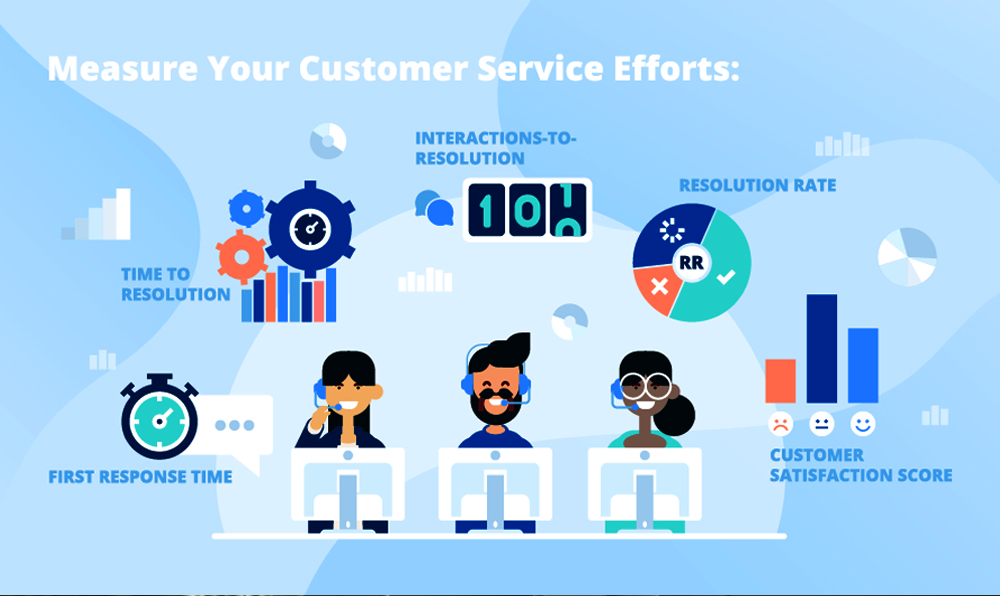
Customer support is, more and more, a kind of data-driven function. Metrics like first response time, resolution rate, customer satisfaction scores, and net promoter scores are watched pretty closely in most organisations, which is good. But understanding what those numbers are actually saying and then actively working to improve them – that part is one of the most direct ways to show your value as a support professional.
And when you can point to real improvements in your personal metrics, or you’ve helped with team-wide gains via process suggestions or coaching, then you have a solid argument for recognition, promotion, or even negotiating for better pay. Data kind of becomes your advocate, while those blurry statements about “just working hard” can’t really compete.
Career Advancement Paths from Customer Support
There is a pretty common misunderstanding that customer support is like a dead-end job. But honestly, in reality, it’s one of the most versatile launching pads you’ll ever find in professional life. The abilities you build in support—communication, problem-solving, empathy, product knowledge, and even data interpretation—show up everywhere, across different teams, and in all sorts of roles.
And inside support itself, the path usually starts as a specialist, then moves to team lead; after that, support manager; and later you might see director of customer experience or even VP of customer success. At the same time, there are also sideways exits, like going into sales, account management, product management, user research, and training & development. Experienced people from support do this all the time. Organisations that truly get it tend to invest in developing their support staff in a deliberate way.
Remote Work and the Growth of careers in Customer Support

Customer support is one of those areas that mostly fits remote or hybrid setups, and honestly this has widened the job market for support folks quite a bit. The usual geographic limits don’t clamp down on you the same way anymore, so if you’re a capable customer support professional in Lahore or nearby cities, you can still go after openings where the company is actually based anywhere around the world.
Working remotely in customer support does need discipline, solid self-management, and a dependable home setup. On top of that, you have to be more proactive with communication because the little, informal check-ins you’d normally get in an office simply aren’t there. People who adjust well to this way of working often notice that the extra flexibility really boosts their day-to-day life and also helps their careers stay steady over time, even in the long run.
Conclusion
Building a successful career in customer support really comes down to treating the role with proper professionalism and some very clear intentionality. The skills you grow, the rapport you build, and the credibility you create in this domain will carry forward for decades. This stays true whether you remain in support or later step into nearby roles and responsibilities, kind of adjacent functions.
If you’re ready to find a customer support job that fits your strengths and your ambitions, Profyd can connect you with the right opportunities in Lahore. The Profyd team knows what employers actually look for, and they can help you frame yourself in the best way—reach out today and take that next step in your career.
Frequently Asked Questions
Q: Do customer support jobs require specific qualifications?
Most entry-level customer support positions do not require a specific degree. Employers prioritize communication skills, a positive attitude, and the ability to learn quickly. However, for technical support roles in software or healthcare, relevant technical knowledge or certifications may be expected.
Q: How can I advance my career in customer support?
Focus on consistently strong performance metrics, seek out additional responsibilities, and build internal relationships across departments. Express your interest in advancement clearly to your manager and look for opportunities to lead projects, train new team members, or contribute to process improvement initiatives.
Q: Is customer support a good career for long-term growth?
Yes. The skills developed in customer support — communication, empathy, problem-solving, and product expertise — are highly transferable and valued across industries. Many senior professionals in sales, marketing, product management, and operations began their careers in support roles.