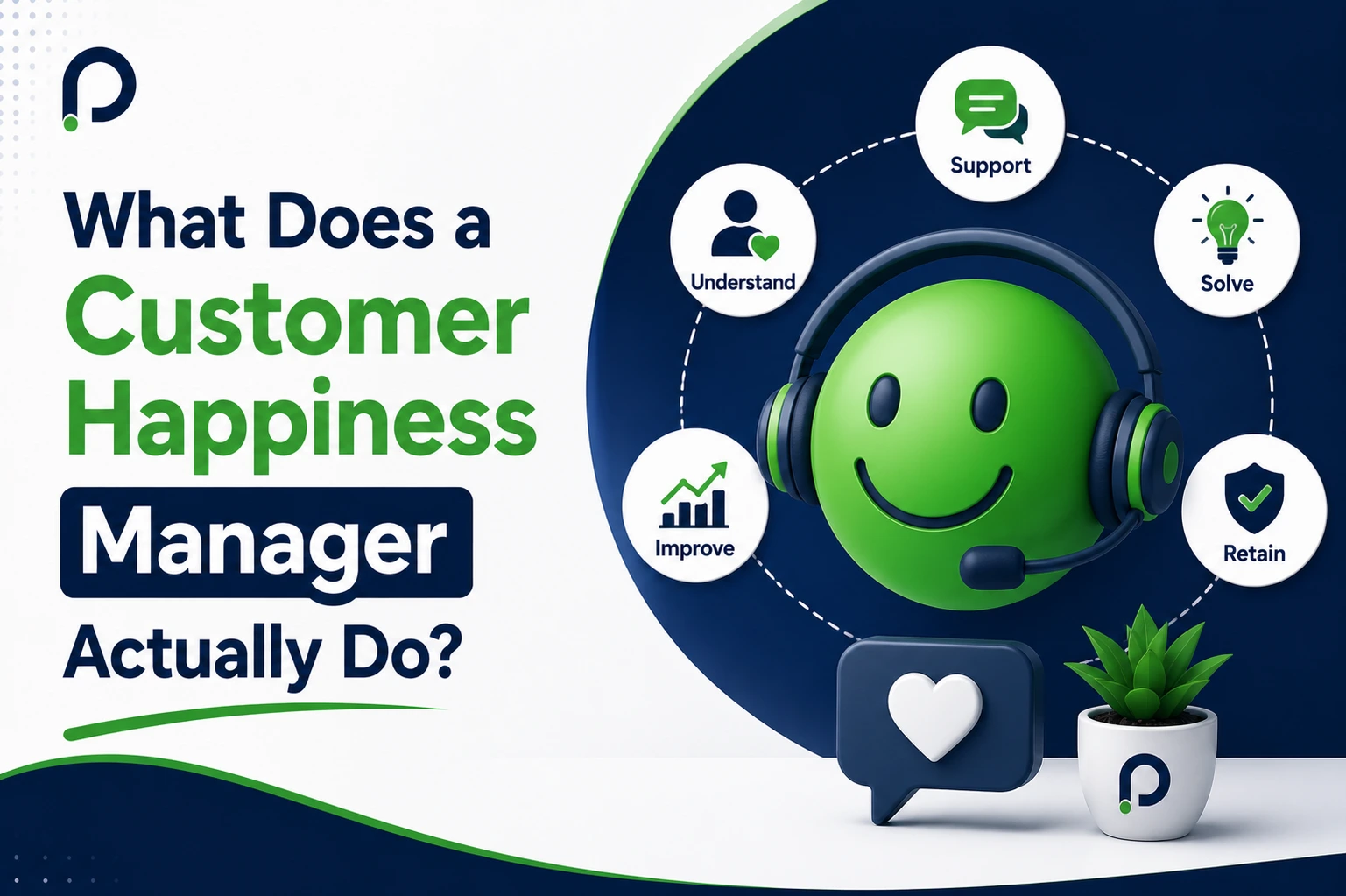
Why Customer Happiness Managers Matter
Customer service has come quite a ways from just answering complaints over the phone. Nowadays, a lot of companies, including those growing businesses across Lahore, Pakistan, have brought in a role that people call a ‘customer happiness manager’. This kind of name kind of points at a wider mindset, like the way a business treats the folks who actually use their products or services. At Profyd, we’ve seen more demand for this position lately, and well, it tracks that many job seekers want to figure out what it really includes before they send in an application.
Unlike those old-school customer support roles that mostly try to patch things up as they pop up, a customer happiness manager usually goes a bit more ahead of the curve with that relationship-centred sort of vibe. It’s more about helping customers remain genuinely happy over the long run, not just in the moment something goes wrong.
Moving Beyond Reactive Customer Support
Traditional customer service still usually runs in a reactive way, like, someone reaches out to support because something has gone wrong, and then the team patches it up as fast as they can. Sure, that part is necessary, but it kind of misses the bigger picture of overall customer satisfaction. A customer happiness manager is more about blocking dissatisfaction before it even gets going, instead of only dealing with it after the fact.
And that mindset shift changes how the whole role is played, sort of moving from “reactive problem solving” toward proactive relationship care, which is a bit more subtle, but it really matters.
Understanding Customer Needs Before They Become Complaints
A huge part of this role is mostly about watching customer behaviour and the feedback they send to catch potential issues early before they turn into proper formal complaints. It can be as simple as going through customer feedback surveys, keeping an eye on usage patterns, or maybe noticing those first tiny cues that someone is starting to think about leaving. When you spot those signals early, the role of customer happiness managers can jump in quickly with workable solutions before the whole situation turns into frustration and builds up too much.
Building Long-Term Customer Relationships
Instead of looking at every customer touch as just a one-time happening, this role is more about building a steady bond, like a slow-growing plant. It can include ongoing check-ins with the most important clients, plus tailored follow-ups after big purchases or after service milestones. You also make sure people feel actually valued, not only at the very first sale. That long-run viewpoint is pretty much a big reason why companies put resources into this position, rather than banking only on typical support teams.
Coordinating Across Departments
Customer happiness rarely comes down to just one team. A customer happiness manager usually works pretty closely with sales, product development, and support teams to make sure customer feedback actually lands in the right place and shapes business decisions. When customers keep bringing up the same recurring problem, this role has to see to it that that information moves to the right people and turns into real changes, not just a report sitting somewhere.
Measuring Success Beyond Resolution Time
Traditional customer support usually measures how “well” they’re doing with stuff like resolution time or ticket volume and that kind of thing. Customer happiness managers though tend to look at other signals, like customer retention rates, satisfaction scores, and the amount of repeat business. That change in what gets measured is basically because their role emphasizes long-term bonds and not just quick, short-term problem-solving.
Handling Escalations With a Different Approach
When serious issues do end up happening, this kind of role usually shows up directly and handles it personally, instead of just leaving it entirely to the frontline support staff. The point isn’t only to clear up the immediate snag, but also to restore faith and make sure the customer is actually heard throughout the whole process. That more hands-on approach often really changes things, and you can often tell whether a frustrated customer stays around or decides to leave.
Why This Role Matters for Business Growth
Keeping the customers you already have is usually way cheaper than hunting for new ones. When companies put effort into customer happiness roles, they often notice it later as stronger retention rates and a steadier stream of revenue over time. So yeah, it’s not only a win for the customer experience thing; it also supports real business growth in a more tangible sense.
Skills That Make This Role Successful
Getting success in this position needs pretty strong emotional intelligence, patience, and that ability to basically see the situation from the customer’s point of view, even when you think you already know the outcome. Also, beyond the soft skills part, being familiar with customer relationship management (CRM) tools and doing basic data analysis can help surface those patterns that might not be visible through just one or two interactions. So it’s like, you gather the subtle signals, then you connect them, instead of guessing only from day-to-day conversations.
How Profyd Connects Talent With Customer Happiness Roles
At Profyd, we regularly work with companies across Lahore, Pakistan, looking to fill customer happiness manager roles as part of their wider customer experience strategy. These jobs are mostly onsite because the work is collaborative, and honestly a lot of employers also provide both day and night shifts depending on their customer base and day-to-day operational hours.
Conclusion
A customer happiness manager plays this far more strategic role than what you might think of as traditional customer support; it really leans into long-term connections rather than only fixing one single problem each time. And yeah, this position has direct influence on customer retention and also on overall business growth. If you’re thinking about going after this career track or maybe you’re hiring for this kind of role in Lahore, Pakistan, Profyd can help you link up capable professionals with real active opportunities. Just reach out to the Profyd team today so you can hear more about the current openings and how things are going right now.
Frequently Asked Questions
Is this role the same as customer support?
No, customer support is usually about fixing one specific issue, kind of in a quiet, reactive way. But this kind of position is more, you know, wider and more proactive, more about steering overall customer satisfaction, not just patching the last ticket.
What qualifications are needed for the job?
Mostly a background in customer service, communications, or business works well, plus solid interpersonal skills.
Do customer happiness managers deal with complaints themselves?
Yeah, especially the serious ones or the things that get escalated, but honestly, day-to-day support might still be managed by frontline teams, depending on the company.
Is this role growing in Pakistan, like, specifically?
Yes, definitely. As more businesses in Lahore, Pakistan, put real focus on customer retention, the demand for this role keeps climbing, bit by bit.