
Most job seekers in Pakistan have the same routine. Open three or four job sites, scroll through hundreds of listings, apply to anything that looks close enough, and then wait. And wait. Weeks go by and the inbox stays empty. At Profyd, we hear this from job seekers all the time, and it is a big part of why we run a job portal focused on teaching and education roles.
The problem usually isn’t effort. It’s that people use every site the same way, without knowing what each one is actually good for. Some job portals in Pakistan are great for corporate jobs. Some are better for teaching. Some are where recruiters find you, not the other way round.
So here are five job portals worth your time, what each one is best at, and how to use them so you actually hear back.
The Top 5 Job Portals in Pakistan Right Now
There’s no single “best” job portal. The right one depends on your field, your experience and the kind of company you want to work for. Most people do best using two or three together, each for a different purpose. Think of it like fishing in a few different ponds instead of throwing every line into the same crowded one. You’ll catch more, and you’ll learn faster which pond actually has fish.
1. Rozee.pk
Rozee.pk is one of the oldest and biggest job portals in Pakistan. It has thousands of listings across banking, sales, admin, IT, engineering, healthcare and more. Many large Pakistani companies post here first.
It’s best for corporate and mid-level jobs in big cities. The downside is competition. Popular listings can get hundreds of applications, so a generic CV gets lost easily. Fill your profile completely, because many recruiters search the database directly instead of reading every application.
2. LinkedIn
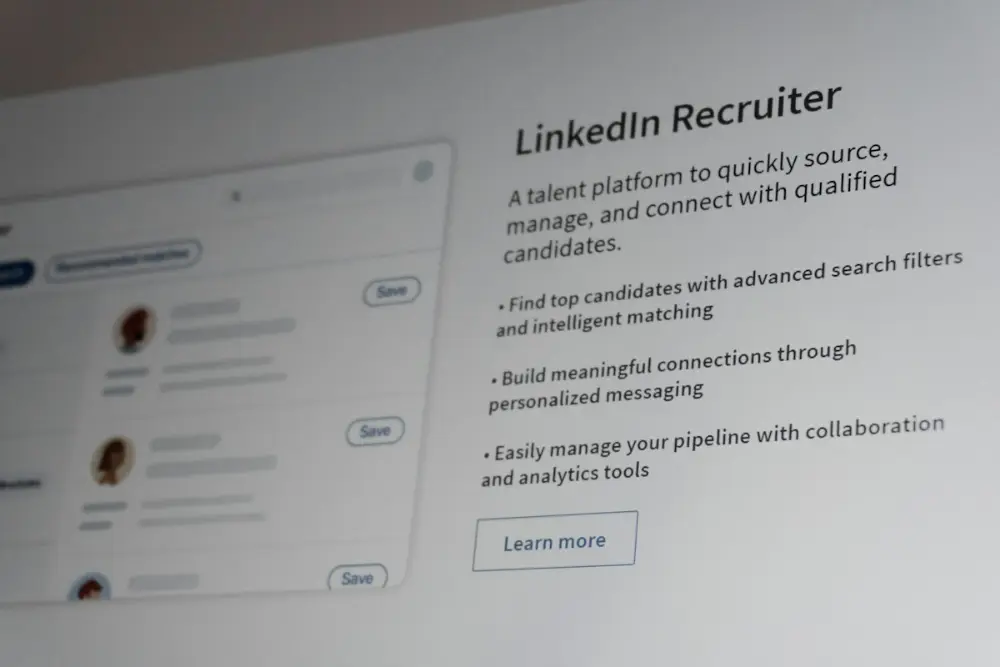
LinkedIn is different from the others. It’s a job portal, but it’s also a place where recruiters search for people and where you can build a name in your field. Many jobs in IT, marketing, finance and multinational companies are filled through LinkedIn, sometimes without ever being posted.
It works best when your profile is active. A clear headline, a proper photo, your skills listed, and posts now and then about your work. Use the “Easy Apply” button carefully, though. It’s quick, but because it’s so easy, those jobs get flooded. A short personal message to the hiring manager often works better.
3. Indeed Pakistan
Indeed collects jobs from company websites and other sources, so you’ll often see listings here that aren’t on other portals. It’s simple to use, and you can set alerts for keywords and cities.
The quality of listings can vary, since it pulls from so many places. Always click through to the company’s own site to check the job is real and still open before you send your details.
4. Mustakbil
Mustakbil has been around for a long time and has a wide range of jobs, including many in smaller cities and with local companies. It’s useful if you’re looking outside Lahore, Karachi and Islamabad, or for roles that don’t usually show up on LinkedIn.
As with any portal, check each employer before applying. Smaller local listings sometimes have less detail, so it’s worth calling or emailing to confirm the basics first.
5. Profyd
We’ll be upfront, this is our own platform. But we’d be leaving out something useful if we didn’t mention it. Profyd focuses on education jobs, like teaching, tutoring and coordinator roles, along with roles in marketing, sales, HR, IT and support at education and service companies.
If you’re a teacher or want to work in education, a focused portal saves you from scrolling past hundreds of unrelated listings. You can see what’s open on our current jobs page.
Teachers often ask us how Profyd compares with other sites for their subject. For science teachers specifically, our post on the best job platform for science teachers compares options in more detail.
Other places worth checking
Beyond these five, don’t ignore company career pages. Many banks, telecoms, universities and big schools post jobs on their own sites first. Our list of top companies to apply for jobs in 2026-2027 is a good place to start. Government jobs come through official ads and testing services, so follow those directly.
Facebook groups and WhatsApp channels also share jobs, but be extra careful there. Fake listings are common, and they often look very real.
How to use job portals properly
Signing up isn’t enough. Most people make an account, upload one CV and then forget about it. Here’s what actually gets results.
Fill in every part of your profile. Many recruiters search portals with filters like city, experience and skills. If your profile is half empty, you won’t show up in those searches at all.
Use the right keywords. If you’re a “Customer Support Representative,” write that, not “hardworking person seeking a role.” Recruiters search for job titles and skills, so use the words they’d type.
Set up job alerts
Every good portal lets you set alerts. Use them. Set a few for your main job title and city. Good jobs often get most of their applications in the first two or three days, so applying early really helps.
Don’t set too many alerts, though, or your inbox will fill with junk and you’ll start ignoring it. Three or four focused alerts work better than twenty broad ones.

Change your CV for each job
This is the step most people skip. You don’t need to rewrite your whole CV every time. Just change the top summary and move the most relevant experience higher up. It takes five minutes and makes a big difference.
If you’re not sure which jobs actually match your level, our guide on finding the right job for your experience can help you aim better.
Keep track of your applications
When you’re applying on several portals, it’s easy to lose track. Make a simple sheet with the company, the job title, the date you applied, and what happened. It helps you follow up at the right time, and it shows you which portal is actually working for you.
After a month, look at your sheet. If one portal gave you three interviews and another gave you none, spend more time on the first one.
Staying safe on job portals
Even on good portals, fake employers sometimes slip through. Watch out for anyone asking for money, your bank details, or copies of your documents before an interview. Real employers don’t charge you for jobs.
Check the company name on Google, look for a real website and a real office address, and be careful with offers that seem too good for your experience level. Our guide on whether online job platforms are safe in Pakistan has a full list of warning signs.
Make your profile photo and headline work for you
It sounds small, but recruiters do look. A clear, simple photo with a plain background looks professional. A blurry selfie or a group photo from a wedding doesn’t. You don’t need a studio shot. A phone photo in good daylight is fine.
Your headline matters even more. On most portals, it’s the first line a recruiter sees in search results. “Accounts Officer | 3 years | QuickBooks, Excel” tells them in two seconds whether to click. “Fresh graduate looking for a good opportunity” doesn’t tell them anything. Teachers can also use our tips on writing a strong CV for teaching jobs.
What recruiters look for when they search
Recruiters using job portals in Pakistan usually filter by a few things. City, years of experience, education level, expected salary and skills. If any of these are missing or wrong on your profile, you drop out of their search without ever knowing.
Be careful with expected salary too. If you put a number far above the usual range for your level, you’ll be filtered out. If you’re not sure, leave it flexible or put a reasonable range.
How fresh graduates should use portals
If you have no experience yet, portals can feel discouraging. Almost every listing says “2 to 3 years required.” Don’t let that stop you completely. Many companies list experience as a wish, not a hard rule.
Search for words like “trainee,” “internship,” “fresh graduate” and “entry level.” Apply to those first. And fill your profile with university projects, internships and part-time work, so it doesn’t look empty.

Following up after you apply
If you haven’t heard back in a week or two, a short polite follow-up is fine. One line is enough. “I applied for the Sales Executive role on the 5th and wanted to check if you need anything else from me.” Don’t send it every day. Once is enough. If they still don’t reply, move on and put your energy into the next one.
A simple weekly routine
Job hunting works better as a routine than as a panic. Here’s one that works for a lot of people. On Monday, check your alerts and shortlist five good jobs. On Tuesday and Wednesday, tailor your CV and apply to them. On Thursday, update your LinkedIn and send one or two follow-ups. On Friday, look at your tracking sheet and see what’s working.
It’s only an hour or so a day. But done every week, it beats spending one whole weekend applying to fifty jobs and then giving up for a month. Steady effort gets noticed. Recruiters see the same names showing up with good applications, and that matters more than people think.
Admin jobs open now
If you’re looking for office and admin roles, check the Admin Jobs listing on Profyd. Read the requirements, update your CV summary to match, and apply early while the listing is fresh.
Conclusion
The best job portals in Pakistan each do something different. Rozee.pk for corporate jobs. LinkedIn for being found. Indeed for wide coverage. Mustakbil for local and smaller-city roles. Profyd for education and related jobs.
You don’t need all five. Pick two or three that fit your field, fill your profiles properly, set a few alerts, and track what works. When you’re ready, see career options with Profyd.
FAQs
Which is the best job portal in Pakistan?
It depends on your field. Rozee.pk and LinkedIn are strong for corporate jobs, Indeed has wide coverage, and Profyd is focused on education jobs. Most people do best using two or three together.
Are job portals in Pakistan free to use?
Most are free for job seekers. Some offer paid extras like profile boosts, but you can get a job without paying. Never pay an employer to apply for a job.
How many job portals should I use?
Two or three is usually enough. Using too many spreads your effort thin and makes it hard to keep track.
Why am I not getting replies from job portals?
Common reasons are an incomplete profile, a generic CV, applying too late or applying for jobs that don’t match your experience. Fix those first and you’ll usually see a difference.
Is LinkedIn useful for jobs in Pakistan?
Yes, especially for IT, marketing, finance and multinational companies. It works best when your profile is complete and you’re active on it.