Why SEO in 2026 Looks Different Than Previous Years
Search engine optimization has never really been a “set it and forget it” kind of plan, and honestly 2026 makes that feel extra obvious. The rules have been moving again in latest SEO trends. What used to work pretty solidly like two years ago is either already out of date now or, worse, it’s getting actively pushed down. So the brands and content creators still stuck on the old playbooks are seeing their rankings slowly and quietly collapse, even when they think nothing is wrong. No matter if you’re steering a local shop in Lahore, Pakistan; running a commerce store; or publishing content in a more professional way, figuring out where SEO is heading right now isn’t just helpful — it’s survival. Profyd has been watching these changes closely, and this guide maps the trends that actually matter in 2026, plus how you can respond without guessing.
The Search Landscape Has Fundamentally Changed
Google processes over 14 billion searches every single day. But the way those searches get answered has changed, like a lot… dramatically. AI-generated overviews now pop up right at the top of search results for a huge portion of queries, summarizing things before a user ever clicks a link. Voice search has matured, seriously. Visual search is growing too, and Google’s grasp of content quality is more sophisticated now, so it can reward actual expertise while burying thin, sort of “formulaic” content.
If you’re someone serious about organic traffic, then this new landscape means you need a rethink—not a full panic, but a deliberate pivot toward what the algorithm is rewarding today, in real terms.
Trend 1 — AI Overviews Are Reshaping Click-Through Rates & SEO
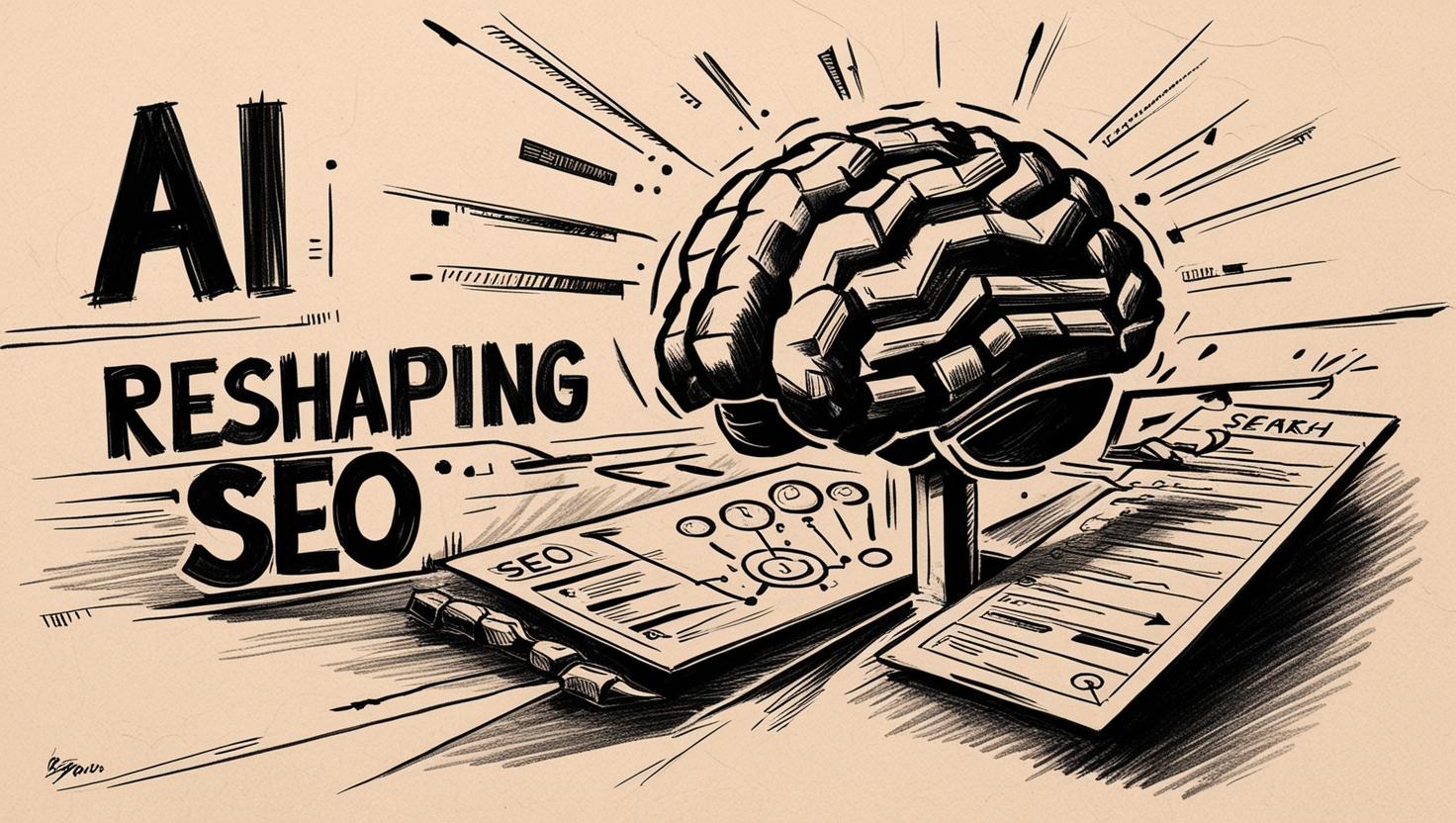
Google’s AI Overviews have been rolling out pretty aggressively during 2025, and they continue into 2026. What you see is basically AI-generated summaries that sit above the usual organic results, and they pull stuff from multiple sources, then try to give you a short answer right there on the search page.
Here’s the bigger implication, kind of important: for informational queries, a person can often get what they need without ever actually visiting a website. That naturally drags down click-through rates for certain types of content, but it doesn’t fully erase the value of ranking. Pages that get cited inside an AI overview still tend to earn visibility and credibility, even if fewer people end up clicking through.
If you’re trying to get your content picked for AI overview citations, then lean into structured factual writing. Use clear section headers, define terms with precision, answer the question directly and concisely, and make sure you add proper schema markup. This will also help you to improve your SEO. That way Google can parse what you wrote more efficiently and without as much fuss.
Trend 2 — E-E-A-T Is No Longer Optional

Google’s quality rater guidelines have been talking about E-A-T for ages. In 2022, they sort of slipped in one more “E”, for Experience, so now it’s E-E-A-T. Then by 2026, it’s not just some line hidden in a document anymore — it’s showing up in rankings for real.
So, what does it look like in practice? Basically, the content written by people you can actually identify as experts and who have real credentials tends to win. Anonymous posts, or “we’ll figure it out somehow” writing, usually struggle. Author bios matter, even when the topic sounds simple. First-hand experience matters more than people think. Also, citations that point to credible sources matter a lot. And if your website/blog gives zero author info, no real about page, and no outside references, Google’s systems are more and more likely to see it as low trust… even if your keywords are perfectly optimized.
For local businesses in Lahore, Pakistan, this is extra important. Putting your real team on display, linking to professional profiles, and publishing content that’s grounded in genuine industry experience are the kinds of signals that slowly build E-E-A-T. Over time this tends to help rankings and not just “impressions” or vibes.
Trend 3 — Search Intent Alignment Is the Core of Keyword Strategy
Keyword research hasn’t gone away, but honestly, the way keywords are used has evolved past just cramming your target phrases into a page. Google’s natural language understanding has moved way further, and now it checks whether your content truly answers the intent behind a query. Not only if the matching words are sitting there, like some kind of checklist, you know.
Search intent basically lands in four buckets: informational (the user wants to learn something) navigational (the user is hunting for a particular website) transactional (they want to buy, sign up, or basically convert) and commercial investigation (they’re weighing different options before they commit).
What you’re formatting, how deep you go, and what kind of call to action you use should line up with the intent tied to your keyword. This is one of the highest-leverage SEO plays right now. For an informational keyword, you should provide a thorough guide or step-by-step explanations. For a transactional keyword, you typically need a product page with obvious conversion elements—pricing, features, trust signals, and clear next steps.
If you mix them up, like publishing a blog post for a keyword where searchers are actually trying to purchase, you’ll usually see weak engagement signals, and rankings can slip.
Trend 4 — Topical Authority Over Individual Page Optimization
The days where you could rank a single page, like it’s standing alone, are mostly done in competitive niches. Google now looks at topical authority, meaning how thoroughly a website addresses an entire subject area, and that tends to be a key ranking signal.
So instead of tossing out isolated posts, you build content clusters. A cluster basically works like this: you create one main “pillar” page that covers the broad theme (for instance, “SEO for small businesses”), then you add several support pages that go into the smaller pieces (local SEO, on-page optimization, link building, and so on). Those pages connect to each other on purpose, so it’s kind of like telling Google, ‘Hey, this site really has depth, not just scattered bits.’
Sites that put effort into this layout usually beat websites that publish random material, with no consistent structure. Sure, it takes more planning at the start, but the compounding ranking upsides you can see after about six to twelve months are genuinely worth it.
Trend 5 — Core Web Vitals and Page Experience Remain Critical
Google’s Core Web Vitals, which look at loading speed, visual steadiness, and how quickly a page becomes usable, have counted as a ranking factor since 2021. But in 2026 it’s getting stricter, with tighter cutoffs and a few added signals. So if your page loads slowly, it isn’t only some “nice to have” user experience issue anymore; it becomes a real rankings liability, straight up.
The main metrics to watch are Largest Contentful Paint (LCP), which is basically the loading performance indicator; Cumulative Layout Shift (CLS), which reflects visual stability; and Interaction to Next Paint (INP), which replaced First Input Delay as the interactivity measure, and yes, it matters more than people think.
For companies in Pakistan, server location and hosting reliability have a huge say in the outcome. A website placed on a sluggish shared server will usually have a hard time hitting these targets for visitors, both nearby and from abroad. Switching to a more solid hosting provider and then polishing images, scripts, and render-blocking resources usually leads to direct wins—better user experience plus stronger search results.
Trend 6 — Zero-Click Searches and the Rise of Brand Visibility

A “zero-click search” sort of happens when someone gets the answer right there on the search results page without actually clicking any link. Like, through featured snippets, knowledge panels, local packs, or even AI overviews. Some research hints that over 60% of Google searches in 2025 ended with no click, and honestly that momentum probably sped up into 2026 too.
But this doesn’t really mean SEO is dying. It means the whole job of SEO is stretching out. Past only getting direct traffic, you’re also aiming for visibility in search results—even if nobody clicks. When people see your business name, your author profile, or your content referenced inside AI Overviews, they get a bit more acquainted with you. And that familiarity tends to steer later behaviour, including those future, direct searches for your brand.
If you want to win in a zero-click world, focus on featured snippet territory by writing clear answers in your content, fairly tight and to the point. Also, claim and finish your Google Business Profile completely. Then target those knowledge panel-style searches tied to your brand, or the niche you live in.
Trend 7 — Video and Visual Search Are Expanding Fast
Google‘s ability to index and rank video content, especially from YouTube, has gotten a lot better over time. In 2026, video search results show up more often and with more prominence for how-to questions, product matchups, step-by-step tutorials, and even local business searches. If your competitors are already putting out video and you aren’t, then you’re basically leaving a bigger slice of search real estate alone, like it’s wide open.
Visual search too, where people upload images to locate products, places, or useful info, is maturing as well. A lot of that momentum comes from Google Lens. For e-commerce brands and local service providers, making sure your images are correctly tagged with descriptive alt text, supported by structured data, and still high resolution matters more and more for being found.
Trend 8 — Local SEO Is More Competitive Than Ever
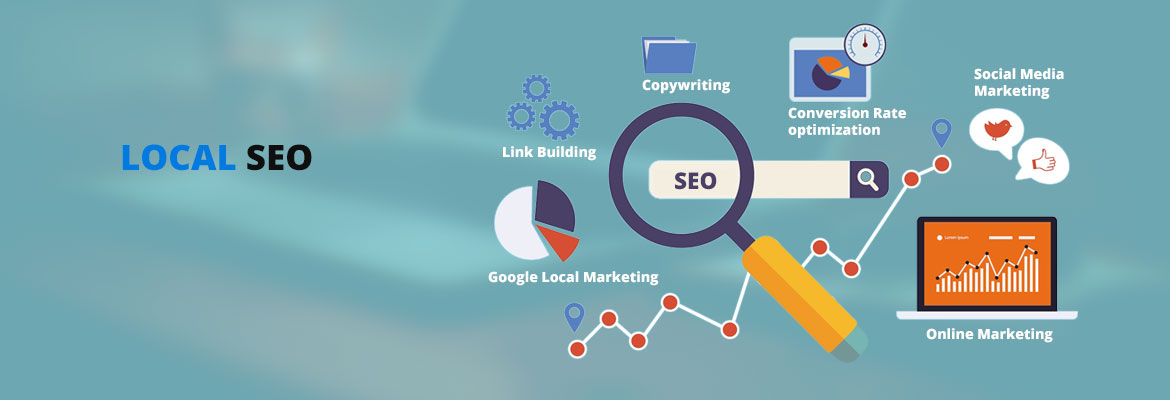
For companies serving specific geographic areas — including the rapidly growing bunch of local service providers in Lahore, Pakistan — local SEO has turned into one of the highest return investments in digital marketing, for real. As well, SEO jobs in Lahore are also emerging and are the best opportunity for those who are looking for seo jobs near me in Lahore. Google’s local search results show up right up front, and the competition for those “near me” searches as well as city-specific queries keeps ramping up every single year.
The core parts of local SEO basically stay the same: a fully optimized Google Business Profile, steady Name-Address-Phone (NAP) details across directories (and yes, spelling and formatting count), authentic customer reviews, and content on your website that’s genuinely local. What’s different now is that Google also starts handing out more credit for local authority – links from other local businesses, local news coverage, and content that’s locally focused, showing community relevance in a pretty clear way.
Trend 9 — Link Building Quality Over Quantity
Backlinks still seem to be among the more powerful ranking signals, though the sort of links that actually “moves the needle” has kind of shifted dramatically. Like, a dozen editorial links coming from genuinely relevant, high-authority publications will beat hundreds of directory links or guest posts sitting on low-quality sites almost every time.
Digital PR, which is basically making content that feels newsworthy enough to snag organic links from journalists and industry outlets, has turned into the gold standard for link acquisition in 2026. And the formats that tend to attract these high-value links on their own are data studies, original research, and expert commentary, plus well-designed visual resources—infographics, calculators, and little tools.
Trend 10 — Content Freshness and Regular Updates
Google’s freshness algorithm rewards content that is regularly updated with accurate and current info. Like, a well-structured article published two years ago that hasn’t been touched since is kind of vulnerable to getting outranked by a newer piece, even if the original was better written.
So, build a content audit practice directly into your SEO workflow. Do quarterly reviews of your most important pages—update stats, refresh examples, add new sections to cover emerging subtopics, and so on. These quarterly passes are among the most cost-effective SEO actions you can take, honestly.
Conclusion
SEO in 2026 is not really simpler than before – but it feels clearer, in a way. The signals Google rewards are now better mapped to what people actually need: in-depth expert content, fast-loading pages, real authority, and honestly helpful answers. If a business keeps chasing “short-term wins”, it will keep seeing rankings slip, again and again. On the other hand, when you put money into quality, steadiness, and genuine know-how, the results tend to compound, slowly but surely.
Whether you’re beginning with nothing or trying to start your career in SEO, contact the Profyd team — because the right approach, used consistently, still makes all the difference.
Frequently Asked Questions
Q1: Are keywords still important in 2026 SEO?
Yes, but the approach has matured. Keywords guide your content strategy and help you align with search intent — but keyword stuffing is penalized. The goal is to write content that naturally covers a topic comprehensively, addressing the range of related terms a searcher might use.
Q2: How does AI content affect SEO in 2026?
Google’s stance is that AI-generated content is acceptable if it is helpful, accurate, and meets quality standards. However, thin, mass-produced AI content that lacks genuine insight or expertise is actively penalized. The key is using AI as a tool to assist quality content creation — not as a shortcut to replace it.
Q3: How long does SEO take to show results?
Typically three to six months for new efforts to gain meaningful traction, though competitive niches may take longer. Local SEO for a well-optimized Google Business Profile can show results within weeks.
Q4: Is social media a direct ranking factor?
Not directly. Google has confirmed that social signals are not used as direct ranking factors. However, social media amplifies content visibility, which drives traffic, links, and brand searches — all of which influence rankings indirectly.
Q5: How important is mobile optimization in 2026?
Critical. Google uses mobile-first indexing, meaning it primarily crawls and ranks the mobile version of your site. If your mobile experience is slow or broken, your rankings will suffer regardless of how good your desktop version is.
Q6: What’s the single most important SEO investment for a small business in Pakistan?
For local businesses, a fully optimized Google Business Profile combined with genuine customer reviews is the highest-return investment. For content-focused businesses, building topical authority through a well-structured content cluster strategy is the most durable long-term approach.