A fresh BBA graduate sits across from a hiring manager at a mid-sized agency, CV printed on the good paper, marketing degree with a 3.4 GPA, and the interview is going fine until one question. ‘Our client’s Instagram reach fell by a third last month. What would you look at first?’ He knows the four Ps. He can define market segmentation in his sleep. He has never once opened an analytics dashboard, and the silence that follows goes on a beat too long, and both of them know how this one ends. At Profyd, we list marketing roles from employers across Lahore, and questions like that one come up in their interviews far more often than anything from the textbook.
Versions of that interview happen every week, because what a marketing degree covers and what hiring managers actually poke at have drifted a long way apart. There are far more marketing jobs in Lahore than there were five years ago (agencies above bakeries, e-commerce brands run out of two rented floors, software houses with growth teams of their own), yet the people doing the hiring mostly want to know one thing: what can this person do on Monday at ten, with a client on the phone and a post due by noon? Luckily most of what they’re after can be learned in a few months, a lot of it for free, by anyone stubborn enough to practise.
That interview is the reason this article exists. It follows the skills agencies keep asking about when they hire for marketing jobs in Lahore, from a burger caption rewritten at ten to four to a dental clinic whose lovely website nobody could find, and ends with how to put together a small portfolio so the next awkward question actually has an answer.
What Gets People Hired for Marketing Jobs in Lahore
Sit with a few agency owners over chai and their wish lists end up sounding oddly alike, whatever the size of the shop. One of them, who runs a twelve-person team above a furniture showroom, put it like this: give me somebody whose captions don’t need three rounds of fixing, who roughly gets how search and social apps decide what people see, who can stare at a sheet of campaign numbers without going pale, and who can talk a worried client down on a Thursday afternoon. Find all four in one fresher, he said, and they’d be hired before the interview was over.

Writing that sounds like a person
Imagine a junior copywriter at a burger chain being told at two o’clock that ten caption options for the new double patty are due by four. Her first draft opens with ‘we are delighted to introduce’ and comes back from the senior with one word scrawled on it, ‘boring’. Second go, she starts with a question about Friday night cravings, ends with a cheeky line about not sharing, and that’s the one that goes live. Short, warm, clear writing, in English and often in Roman Urdu as well, turns up in almost every entry-level ad, and the only reliable way to get better is writing every day for somebody who isn’t afraid to be blunt.
Search, and why it keeps coming up
A small dental clinic has a lovely website and almost no visitors, and the owner can’t understand it, the photos cost a fortune. Someone who knows the basics of search engine optimisation will sit with it for ten minutes and find the usual three culprits: pages with no proper titles, images so heavy they take an age on a phone, and not a single page using the words patients actually type, things like ‘tooth pain at night’ or ‘braces cost’. Sort those out and the phone tends to start ringing within a couple of months, which is roughly why SEO keeps appearing in job ads.
The day-to-day of that kind of role is less mysterious than people think, mostly checking rankings, fixing pages, writing and rewriting, and nagging developers politely, and this rundown of what an SEO executive actually does paints a pretty honest picture of it.
Search itself keeps shifting under everyone’s feet, with AI answers now sitting above the old list of links and some sites losing half their clicks almost overnight, so it pays to walk into an interview knowing what changed this year. A quick skim of the latest SEO trends the night before is usually enough to make an interviewer sit up a little.
Social media that goes past posting
Loads of applicants write ‘social media’ under skills because they’re on their phones all day, which, to be fair, is not nothing. It just isn’t what an employer means. A social media executive at a clothing brand might spend a quarter of her day actually making posts. The rest goes on scheduling, answering comments before a grumpy one becomes a public row, working out which reel actually sold any kurtas, and gently pointing out to the design team that the text on yesterday’s carousel was unreadable on a phone screen.
Paid ads come bundled in with this now. Setting a sensible budget, choosing who sees the ad, running two versions side by side and switching off the one quietly losing money, all of that is a skill companies will pay for, mainly because getting it wrong can burn through a client’s monthly budget by Wednesday.

Not being scared of the numbers
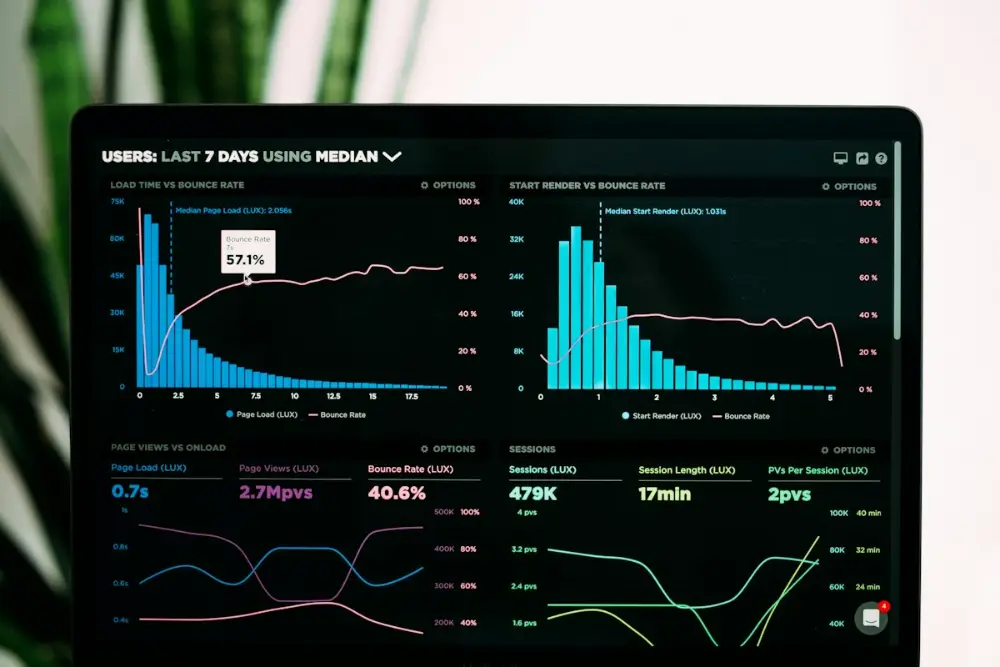
Think back to the Instagram question from the interview. Anyone who had spent a few weeks messing about in an analytics dashboard would have had something to say, maybe that the posting time shifted, or that carousels stopped working while reels didn’t, or that the whole industry had a slow month and the client wasn’t special. None of this needs a maths degree. It needs a bit of nosiness and the habit of looking at the numbers before having an opinion about them, which, oddly, plenty of experienced marketers still don’t have.
Spreadsheets carry a lot of weight too. Pivot tables, a simple chart, one formula for cost per lead, an hour every evening for a month of free tutorials covers most of what a junior role will throw at you, and more than one manager hiring for marketing jobs in Lahore says this is exactly where the shortlist gets made.
Knowing where billboards still fit in
Digital takes up all the conversation, yet property developers, private schools and the big consumer brands still spend heavily on billboards, radio slots and newspaper half-pages, and you’ll see it on any drive along a main road in the evening. The marketers those companies hang on to are the ones who get how the two halves feed each other, the hoarding at a busy signal making people look the brand up on their phones that night, and this comparison of traditional vs digital marketing goes through how they differ and where they meet.

Talking to clients and teams
An account manager at a small agency once said the hardest part of her job had nothing to do with marketing. It’s the Thursday call, explaining to a client why the campaign he absolutely loved hasn’t sold a thing yet, without blaming him, without hiding behind words like ‘impressions’, and without losing the account. Presenting results honestly, taking criticism without sulking, keeping an anxious client calm: in her view that’s worth more than any technical skill, and it’s usually what gets people promoted.

Building proof before applying
Candidates who get remembered usually bring something they built. A blog grown from zero to a few thousand readers a month. The Instagram page for an aunt’s home bakery, with before and after numbers. A proper SEO audit of a neighbourhood shop’s website, screenshots and all, offered to the owner for free. Small projects like these say more than a certificate, and they hand the interviewer something real to ask about instead of ‘tell me about yourself’.
Free courses from the big platforms are handy for giving the learning some shape and they look fine on a CV, but it’s nearly always the portfolio that gets the call back. If you’re still not sure the field is for you, this honest piece on whether a digital marketing career is worth pursuing is worth ten minutes.
Where it can lead
Starting salaries in marketing aren’t huge, but the field moves quickly for people who show results. A junior SEO hire can become a team lead within two or three years, and many go on to freelance for clients in the UK, USA and Canada. The usual routes are mapped out in this guide to the career path after starting SEO jobs in Lahore.
For anyone ready to start applying, Profyd lists current openings on its digital marketing jobs in Lahore page, updated regularly.
Conclusion
The graduate who went quiet on the Instagram question wasn’t short of brains. He’d simply never practised the things employers now test. Marketing jobs in Lahore are going to people who can write like a human being, have a working idea of how search and social platforms behave, can read a dashboard, and can explain the whole lot calmly to a nervous client. Every one of those can be learned in months rather than years, mostly online and mostly free, and a small portfolio plus a bit of nerve in the interview room covers the rest.
FAQs
Is a marketing degree needed for marketing jobs in Lahore?
It helps for some big corporate roles, but plenty of agencies barely glance at the degree title. They’d rather see a portfolio, a blog you grew, a page you managed, an audit you did for a neighbour’s shop, and hear you talk about what worked and what flopped.
Where should a complete beginner start?
Writing first, every day if possible, even short pieces. After a month or so add basic SEO, then just enough analytics to read a dashboard without guessing, and you’ll find you match most of the entry-level adverts going around.
How long before someone is ready to apply?
For most people it’s somewhere around three to six months of regular practice. It goes faster if the portfolio gets built alongside the learning instead of being left for ‘later’, which in practice tends to mean never.
Can these skills turn into remote work from Lahore?
Yes, quite often. SEO, content writing and social media work are some of the most common remote jobs going, frequently with clients abroad.