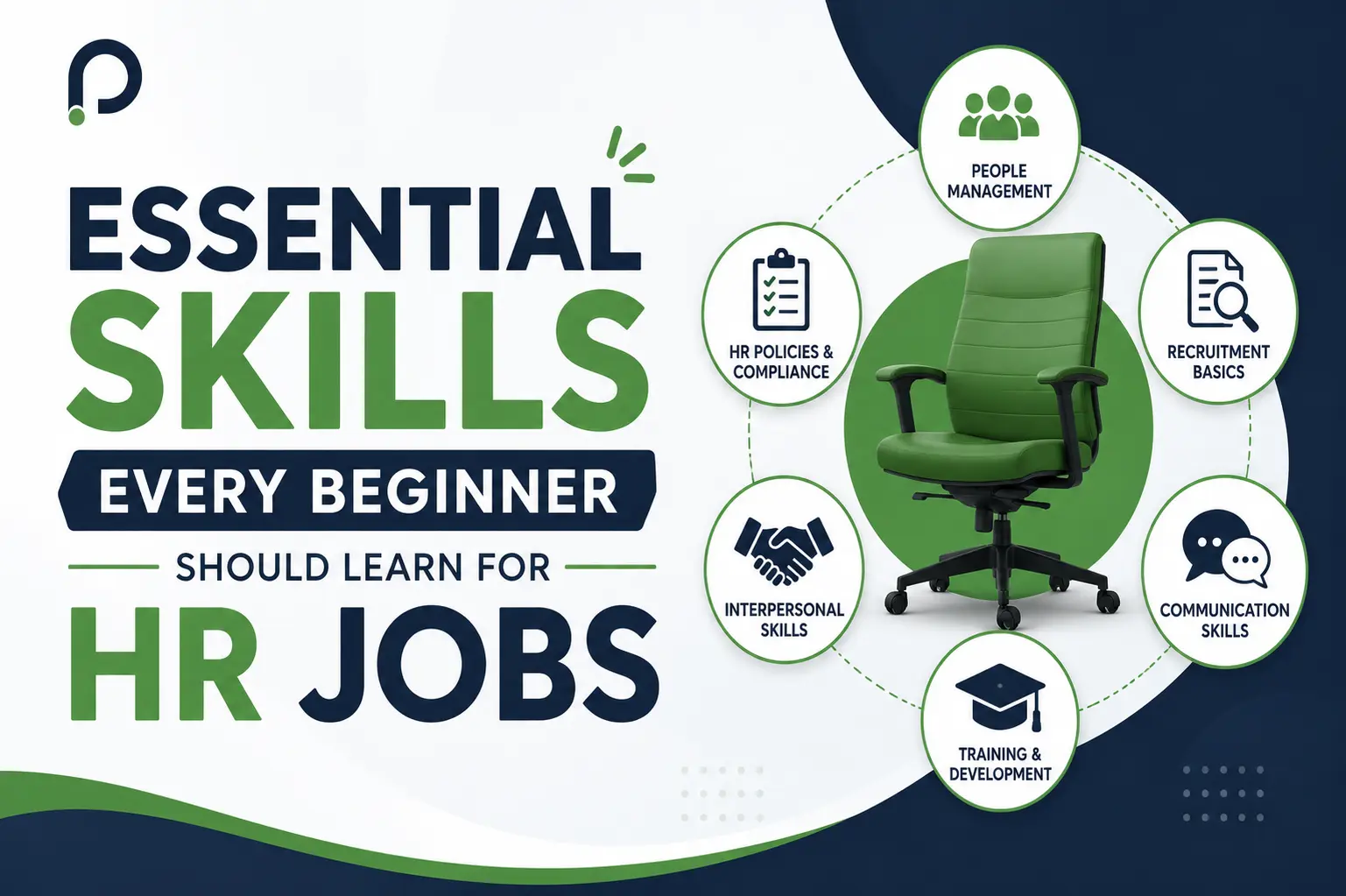
Essential Skills Every HR Professional Should Develop
Starting out in human resources can feel kind of exciting and also a lot overwhelming at the same time. The space is broader than most people think when they’re new; it touches almost everything, from hiring and onboarding to conflict resolution, compliance, and even organizational culture in general. And for anyone searching for HR jobs in Lahore for the very first time, Profyd has noticed a pattern; the professionals who really move fastest are usually the ones who build on purpose, meaning they invest early in setting up the right foundation from the beginning.
Understanding the Scope of Human Resources
Before getting into particular skills, it actually helps to wrap your head around what HR really covers. Like at the operational level, HR deals with recruitment, contracts, payroll processing, attendance management, and maintaining employee records. Meanwhile, at the strategic level, HR shapes workforce planning, succession, organizational structure, and even culture.
Newer learners who can see this entire range—instead of viewing HR as purely clerical tasks—tend to position themselves for more meaningful career momentum. In organizations across Lahore, HR professionals are now expected to weigh in on business decisions, not only run routine steps. It helps a lot to get comfortable with both sides early on because it becomes an edge later.
Recruitment and Talent Acquisition Fundamentals

Hiring is sort of the entry point for most people into HR, and honestly, for good reason. It’s visible and impactful, and it ends up touching every part of the organization, even the areas nobody talks about. For beginners, the focus should be on learning how to draft effective job descriptions, use applicant tracking systems, run structured interviews, and assess candidates fairly against the predefined criteria.
Then there is sourcing, sort of like where you learn which channels matter, for instance, in Pakistan, what platforms attract which kinds of candidates, and how LinkedIn can be used well. Also, knowing when to pull in a headhunter vs just going with direct sourcing gives early-career HR professionals a real practical advantage, literally from day one.
Employment Law and Compliance in Pakistan
Every HR professional needs a practical handle on the legal framework that sort of drives employment. In Pakistan this usually means the Employment of Children Act, the Industrial Relations Act, EOBI obligations, PESSI contributions in Punjab, and the relevant provincial labour laws. If you get things wrong here, there are real repercussions for employees and organizations both, like it or not.
Beginners do not have to become lawyers, yet they still need to know enough to spot when a matter is asking for legal review and, at the same time, to manage routine compliance duties the right way. This kind of familiarity also builds a good reputation with managers and employees because people eventually show up in HR with questions about their rights, or they ask, “Is this allowed?” and expect a steady answer.
Payroll Basics and Compensation Understanding
While dedicated payroll teams handle the mechanics in larger organizations, HR generalists — especially those working in smaller companies in Lahore — are often left to process payroll accurately, yes. Getting the gross-to-net calculations right, knowing how the tax deductions apply, how EOBI and PESSI contributions are computed, and how to deal with typical payroll adjustments is basically the ground-level knowledge. It helps prevent those costly errors that pop up when you assume something, rather than checking.
And it’s not just about processing; there’s also compensation benchmarking. This means understanding how to research what the market pays for certain roles. When HR professionals do that, they can contribute to salary decisions that are competitive but still sustainable, without pushing numbers that don’t really hold.
Employee Relations and Conflict Management
HR professionals spend a meaningful part of their time dealing with people stuff, like a manager who is micromanaging, a performance issue that was handled poorly, or a team that seems constantly in conflict. The ability to walk into those moments with empathy, fairness, and a clear process is one of the skills that separates strong HR professionals from the ones managers and employees try to avoid, kind of… altogether.
Active listening, the skill to have hard conversations without jumping in too soon on a side, and knowing formal grievance and disciplinary procedures are all practical capabilities that beginners should build early, even if it feels awkward at first, you know.
HR Information Systems and Data Management

Modern HR sort of runs on data. Whether it is tracking headcount, monitoring turnover trends, managing performance review cycles, or analyzing engagement survey results, HR professionals need to feel comfortable working with data systems. Like, if you can use the numbers instead of just staring at them, you can actually help. Familiarity with popular HRIS platforms, Excel for data analysis, and basic reporting skills also means HR professionals can contribute in a meaningful way to decisions, not only administering processes, and that matters.
In Lahore’s growing corporate sector, organizations are increasingly adopting digital HR tools. The professionals who grab and learn these tools early will likely find themselves more valuable than those who resist them.
Communication and Interpersonal Skills
HR is kind of right in the middle where leadership and management meet, plus the wider workforce too. The messages HR people send, like a policy update, a disciplinary letter, a job offer, or even a careful note about organizational change, they hold a lot of importance. Getting into the habit of writing with clarity, empathy, and the right level of formality is a skill that tends to keep paying off across an HR career, not just once.
And honestly, verbal communication counts just as much. Whether you’re guiding a team discussion, running an interview, or presenting to senior leadership, HR professionals who speak with confidence and accuracy are usually seen as more credible. They get trusted with greater responsibility, like sooner than later, because the tone and precision land well.
Continuous Learning and Professional Development
HR is a discipline that keeps kind of evolving all the time. Labour laws in Pakistan change, business needs veer, and new approaches to managing people show up pretty regularly. Beginners who stick to a habit of learning (like reading HR publications, pursuing certifications such as SHRM or CIPD, attending webinars and, of course, connecting with professional communities) will probably outpace peers who view learning as only something they do in formal training sessions.
Conclusion
Building a career in HR is kind of a long game, but honestly, the basics matter… a lot. Like legal knowledge, recruitment skills, data literacy, the ability to communicate clearly, and a real commitment to people. These aren’t “nice to have” extras, not really. They’re like the solid foundation of basically every HR professional, from a brand-new assistant at a smaller company in Lahore to a chief people officer at a big national organization.
If you’re trying to get into HR, or maybe you want to push your current skills further, Profyd is a good starting point. Our platform connects HR professionals with organizations across Lahore, Pakistan, that are actively putting resources into their people function. Reach out to the Profyd team today, and you can discover the HR role that fits both where you are now and where you want to go.
Frequently Asked Questions
What degree is most useful for starting HR jobs in Lahore?
A bachelor’s degree in human resource management, business administration, or psychology is probably the most common starting point. That said employers are, lately, more into what you can do in practice and the skills you’ve shown rather than only the formal qualifications. Helpful certifications can add extra weight, and in some situations they may even take the place of a specific HR degree, pretty much.
How long does it take to get an entry-level HR job in Lahore after graduating?
This varies considerably, but graduates who have internship experience, relevant certifications, and strong interpersonal skills typically find their first HR role within three to six months. Networking and using job platforms actively shortens this timeline.
Is HR a good career path in Pakistan long-term?
Yes. As organizations in Pakistan professionalize their operations, the demand for skilled HR professionals has grown significantly. Strategic HR roles in talent management, organizational development, and HR business partnering are increasingly well-compensated and respected at the senior level.
What is the biggest mistake beginners make in HR?
Treating HR as an administrative function rather than a people function. Beginners who focus heavily on process compliance while neglecting relationship-building and genuine employee support often plateau early. The most effective HR professionals balance operational precision with authentic human engagement.