
Six weeks before the chemistry paper, a Grade 11 girl has a revision timetable taped to her cupboard door, colour-coded, very pretty, and almost entirely ignored since about the second Tuesday. Organic chemistry has a whole column in green that she keeps skipping because it makes her feel slightly sick. Her mock came back at a C. Her parents, who mostly just want her to stop crying at eleven at night, are wondering if a tutor could help or if it’s simply too late now. At Profyd, our online science tutors get calls like this every exam season, and the first job is always the same: work out where the marks are slipping away.
Usually it isn’t too late, as it happens. Six weeks is a fair amount of time if it gets spent on the right things, and that’s mostly what online science tutors are doing in the run-up to exams, not teaching shiny new material so much as steering the hours that are left towards whatever is actually costing marks, with a lot more practice and a lot less highlighting. In Lahore the bookings start climbing around March every year, and Pakistani families in the UK, Canada and Australia, whose children sit the same O Level, IGCSE and A Level papers, follow almost the same calendar.
Here’s what this article covers, roughly in the order a good tutor tackles it. First, finding out where the marks are actually leaking. Then patching the old gaps, swapping the highlighter for active recall, grinding through past papers with the mark scheme open, getting used to the clock, and, not least, keeping the stress from taking over the house in those last six weeks before the exam.
How Online Science Tutors Plan the Final Weeks
Most of them start with a mock paper, either a recent school one or a past paper done under timed conditions in the first session (students hate this, every time). Then comes the useful bit, sitting down together and sorting every lost mark into a pile. Did not know it. Knew it but couldn’t use it. Knew it and misread the question. Ran out of time. Those four piles need four completely different fixes, and the order of the next six weeks comes straight out of how big each pile is.
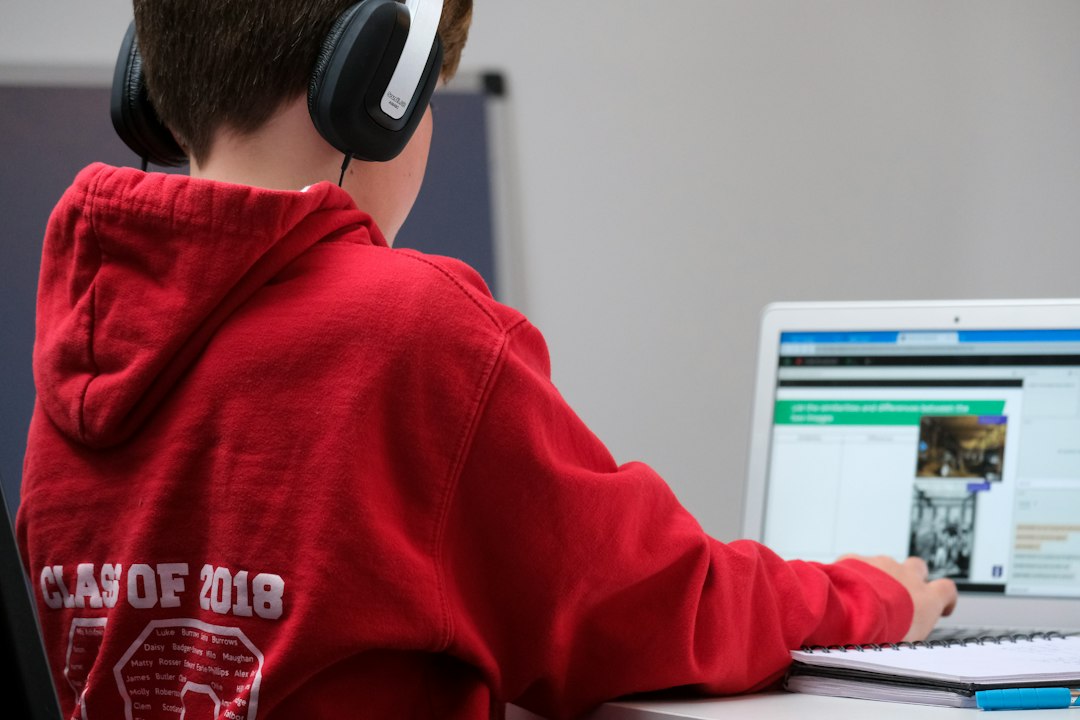
The girl with the C, for instance, might turn out to have lost only nine marks to organic chemistry and nearly twenty to badly written six-mark answers, in topics she actually understood fine. That changes everything about how the weeks get spent, and it’s the sort of thing a school teacher with four sections of Grade 11 just can’t dig into for every student.
Topic gaps get fixed first
Genuine gaps, the ‘never really got it’ stuff, get dealt with early because they take the longest. A tutor will usually pick the two or three topics carrying the most marks and go back to the start of each, sometimes right back to Grade 9 basics, then build up fast with plenty of questions along the way. Interactive tools help speed this up a lot; a simulation can show in two minutes what a page of notes takes twenty to explain, and tutors who use them well tend to follow the kind of methods set out in this guide to deliver engaging online physics lessons.
Revision that actually works

Ask most teenagers how they revise and the answer is some version of reading. Notes, then the textbook, then the notes they made from the textbook, all of it producing a warm busy feeling and not much else. A big part of what online science tutors do in March and April is gently wean students off this, because the evidence on active recall is not subtle: dragging something out of your memory, even getting it half wrong, fixes it in place far better than another lap through the page.
So the lessons turn into question sessions. A blank sheet and five minutes to write everything she remembers about electrolysis before opening a single book, which is humbling the first time. Flashcards she writes herself in her own clumsy wording, because the downloaded ones slide straight past. A quick quiz at the top of every call, pulling something random from three weeks back. After a fortnight or so most students admit, with some eye-rolling, that they remember more.
Past papers, past papers, past papers
Real past papers are as close as anyone gets to the actual exam, so the final month is soaked in them. With a tutor, though, the paper is only half the job. The other half happens afterwards, when every lost mark gets held up against the official mark scheme and the student finally sees which exact words the examiner was hunting for, and why her perfectly sensible answer about enzymes only scraped one mark out of three (she said ‘killed’, the scheme wanted ‘denatured’, and that was that).

After a few rounds of this the patterns start showing. The questions repeat year to year, just reworded a bit, and the command words each want their own kind of answer: describe means say what happens, explain means say why, evaluate means weigh it up and actually pick a side. Once the difference is automatic, marks start arriving for questions she used to half-answer and abandon. One tutor’s shared doc of these ‘examiner habits’ ends up, by May, looking like the cheat sheet nobody is allowed to take in.
Exam technique and timing
Plenty of capable students lose a grade purely on technique. Spending eight minutes on a two-mark question because it looked interesting. Writing a single sentence for a six-marker. Leaving the calculation working out because the answer ‘was obviously right’. Each of these costs a mark or two, and across a paper that adds up to a whole grade.
Timed papers sort most of that out. In the last few weeks a lot of tutors run full papers under exam conditions, phone off in the other room, a countdown ticking on the shared screen, then spend the next lesson going minute by minute through where the time went and where it should have gone. Dull, yes, but by the final week the clock has usually stopped being the thing that makes a student’s hand shake and become just another bit of the room.
Different subjects, different approaches
The subjects need slightly different handling. Physics and chemistry are full of calculations, so revision there means worked example after worked example until the method runs on autopilot. Biology is a memory and wording game, flashcards, diagrams redrawn from nothing, learning the precise phrases the mark scheme likes, and online science tutors who specialise in it tend to be fiercely organised about the whole thing, as this piece on careers in online biology teacher jobs describes.

Students sitting international papers need tutors who know those syllabuses inside out. Teachers with years on O Level, IGCSE and A Level courses often spot an examiner’s favourite trap before the student has finished reading the question, a point made well in this article on how international curriculum teaching improves a teacher’s life.
Handling stress in the last few weeks
Nobody gets through exam season calm, and telling a stressed sixteen-year-old to relax has never once worked. Tutors who see a student two or three times a week often pick up the signs before anyone at home does, shorter answers, the camera staying off, a ‘sorry, I didn’t get to the homework’ that wasn’t there in February. The good ones adjust quietly. A session gets cut to forty minutes. A whole lesson goes on an easy topic just so she logs off feeling clever. And the line about sleep counting as revision gets repeated so often it becomes a joke between them, which is sort of the point.

For those thinking about becoming a tutor
Every exam season the demand for good science tutors outstrips supply, which makes it a solid option for graduates and working teachers looking for extra income. Experience helps but isn’t always essential, as this guide to online teaching jobs in Pakistan without experience explains.
For finding students and steady work, it’s worth comparing platforms first, and this round-up of the best job platform for science teachers is a good starting point.
Families looking for an exam tutor, or teachers keen to join, can get in touch through the Profyd contact page.
Conclusion
Online science tutors earn their fee in those last weeks, and it isn’t through anything clever or secret. They work out where the marks are really leaking, push students off passive reading and onto recall, grind through past papers against the mark scheme, and keep half an eye on nerves the whole time. The girl with the colour-coded timetable didn’t need a prettier plan, she had a very pretty plan already. What she needed was someone checking in twice a week to make sure she was actually following it, and for most students six weeks of that is plenty.
FAQs
How early should exam tutoring start?
Three or four months out is comfortable. Six weeks still helps a great deal, as long as the time goes on the biggest gaps first and there’s lots of past paper practice, not just more reading.
Are online science tutors any good for O Level and IGCSE?
The ones who know that specific syllabus and its mark schemes are very good for it. Just ask directly how many years they’ve taught the exact paper your child is sitting; vague answers are a bit of a warning sign.
How many lessons a week near exams?
Two or three in the final couple of months, with the student doing past papers on her own between sessions so the lessons can go on fixing what went wrong.
Will the tutor supply past papers?
Most will. The difference between tutors is what happens next, a decent one marks every question against the scheme and explains each lost mark, rather than just writing 54/80 at the top and moving on.