
Ask a class of Grade 9 students to write down the definition of density and most of them will get it word for word, mass per unit volume, full marks. Then hand one of them a stone, a ruler, a measuring cylinder half full of water and a kitchen scale, and ask what the stone’s density is. There’s usually a long pause, some nervous laughing, and somebody tries to measure a lumpy rock with the ruler. The definition was in there all along. Knowing what to actually do with it wasn’t. At Profyd, our science tutors run into this gap all the time, so a good part of every lesson goes into turning definitions into something students can actually use.
Teachers have a name for that gap, practical understanding, or more often the lack of it. It isn’t really about lab coats and goggles, although a lab does help. It’s whether a student can look at something ordinary, the kettle clicking off, a bicycle tyre going soft in winter, the scab on a grazed knee, and see the science that’s quietly going on inside it, and then think about it out loud without diving for the paragraph they memorised in Grade 8.
So why is practical understanding important in science education, and how do good teachers build it, lab or no lab? That’s the question this article chases, mostly by way of a stone, a strip of burning magnesium and one very limp cucumber.
What Practical Understanding Looks Like in a Real Student
Mostly it comes down to knowing why things happen and not only what happens. A girl who really understands electricity doesn’t stop at V = IR. She can tell you why her phone charger is warm after an hour, have a decent guess at what a thinner wire would do, and point at the mistake in a circuit somebody else drew on the board (there’s always one, usually the ammeter wired in parallel). The formula hasn’t gone anywhere. It’s just got something hanging off it now, something she’s seen, or fiddled with, or argued about with the kid on the next stool.
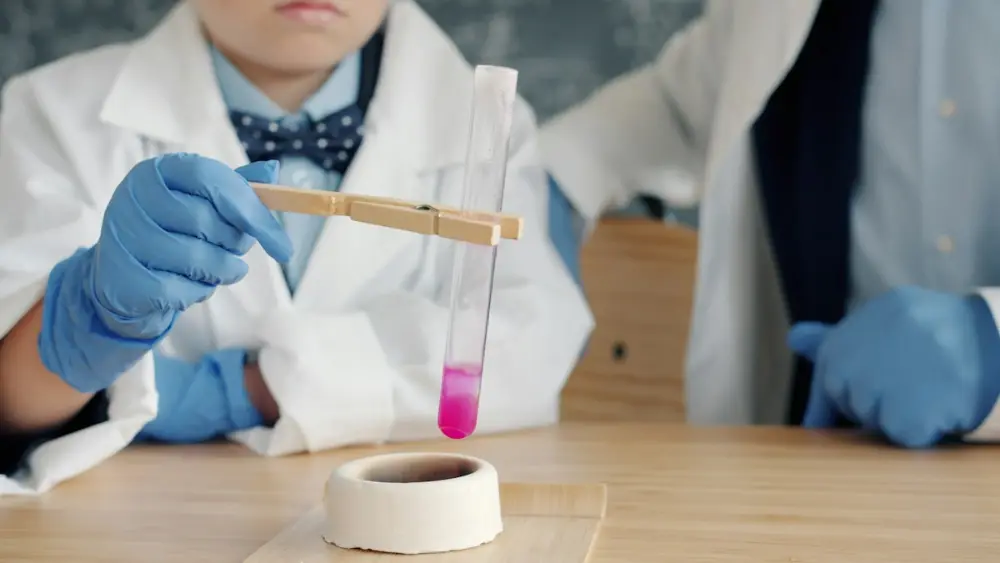
Exam boards have been pushing in this direction for years. Papers for the IGCSE, O Level and A Level now carry a fair number of questions built around unfamiliar experiments, where students have to plan a method, spot a source of error or explain a strange result they’ve never seen before. Memorising the textbook doesn’t help much with those, and the marks they carry are not small.
Why rote learning hits a ceiling
Rote learning isn’t useless, to be fair to it. It’ll carry a student through a short-answer quiz and quite a chunk of a board paper, and plenty of top grades have been built on very good flashcards. The wheels come off when a question changes shape. Ask for the density of ice and everyone writes 0.92. Ask why ice floats on a glass of water and a student who only memorised the number has nothing to grab hold of, so they write something about ice being ‘lighter’, lose the mark, and never quite find out why.
And the memorised stuff leaks. Ask a class in September what they crammed in May and watch the faces. That’s a nuisance in Grade 10 and a real headache in A Level, which quietly assumes you still know everything from two years earlier, and the students who understood the ideas, not just the sentences, turn up with far more still in the tank.
Hands on, and it sticks
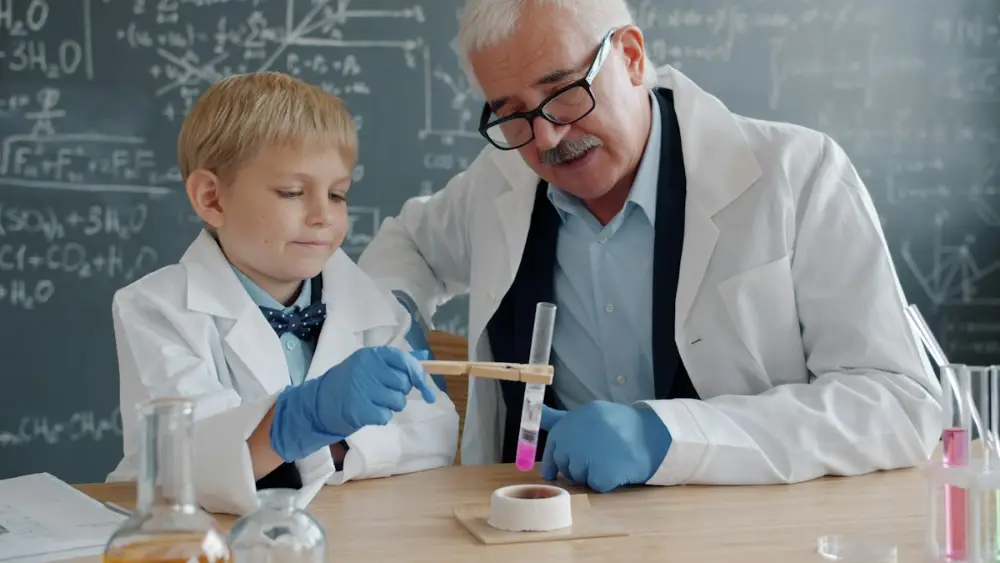
Nobody forgets the first time they see magnesium ribbon burn. That white light, too bright to look at, the teacher shouting ‘don’t stare at it!’ a fraction too late. Years on, people remember that, and not a single word of the paragraph about oxidation that came with it. Practical work hands the brain a hook to hang things on, the smell of a struck match, chalk fizzing in acid, a crystal-growing attempt that produced mostly sludge, and suddenly the abstract stuff has a texture.
It teaches other things too, the kind no textbook bothers with. Waiting. Reading the meniscus at eye level rather than from above. And what to do when the result is flat-out wrong, which in real science is most Tuesdays. A student who has learned to shrug, look back at the method and have another go has picked up something that will outlast any definition.
Thinking the way scientists do
Behind all of it is a habit of mind more than a body of facts. What happens if just one thing changes and everything else stays the same? Why does this result look a bit too tidy? Could something else explain it? Once students get used to asking those questions, they start using them everywhere, judging whether a shampoo advert’s ‘97% of women agree’ means much, say, or working out why the motorbike only refuses to start on cold mornings.
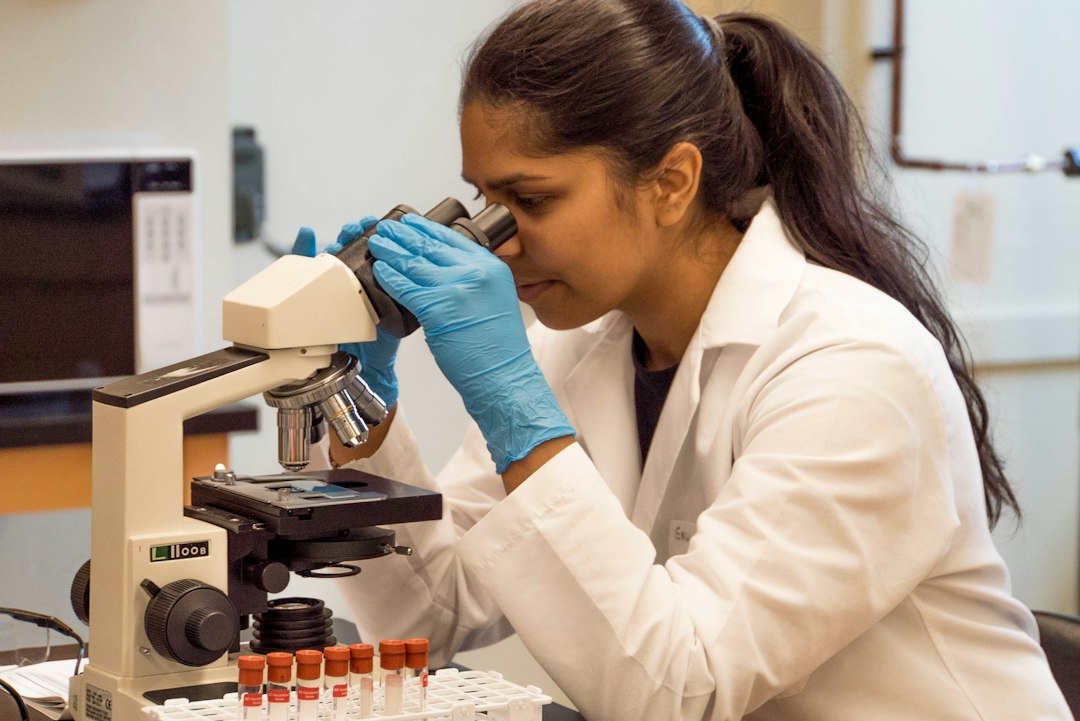
Teachers who are good at building this tend to ask more questions than they answer. Instead of telling the class what will happen when the beaker is heated, they ask for predictions first, collect a few wrong ones on the board, and let the experiment sort it out. It’s slower, and it’s much better at keeping a room awake, the kind of approach covered in this piece on how science teachers can increase student engagement.
Connecting science to everyday life
Plenty of practical understanding is picked up outside school, if anyone points it out. Tea goes cold faster in a steel cup than a clay one. Washing on the roof dries quicker on a breezy day in Lahore even when it isn’t that hot. The pressure cooker does in twenty minutes what an open pot does in an hour, and the gas bill notices. Each of those is a little physics or chemistry lesson hiding in plain sight, and students who get into the habit of asking about them find exam questions far less scary.
Parents can help with this for almost nothing. Cooking is chemistry on a deadline (why does the onion go see-through, why does the dough rise more on a warm day), and a trip to the sabzi market throws up endless little questions about mass, volume and whether the bigger bag is really better value. None of it needs a lab or a textbook, only a household where ‘why does that happen?’ gets a conversation instead of a shrug, and where nobody minds if the answer turns out to be ‘let’s look it up’.
The role of the teacher
None of this happens by itself; it leans hard on whoever is teaching. Lessons built around real understanding take more planning than a deck of slides, and the teacher has to be confident enough in the subject to deal with a curveball question while a beaker is bubbling away. Schools in Pakistan and international schools in the UK and Canada keep saying they want exactly this, and the subjects where they struggle most to find people are rounded up in this look at subject teachers in demand.
Chemistry teachers carry an extra load here, since they’re expected to run practicals that are safe and actually teach something, often with half the equipment they’d like and a fume cupboard that’s been ‘getting fixed’ since last year. It’s a craft in its own right, and this overview of career opportunities in chemistry teacher jobs sets out what schools tend to look for when they hire.
For newer teachers the learning curve is steep but manageable. Small things, like letting students handle equipment themselves rather than watching a demo, make a big difference. Anyone starting out can find useful pointers in this guide to improve skills for a teaching job in Pakistan.
What about online learning?
A reasonable thing to wonder, with so much tutoring now happening on laptops. You can’t pass a Bunsen burner through a screen, obviously. Online lessons still manage more than people expect though, with simulations where the student drags a slider and the graph redraws itself on the spot, a tutor talking through Thursday’s school practical on Tuesday so it isn’t a total mystery, and the odd kitchen experiment with salt, ice and a cheap thermometer. Practical understanding depends at least as much on thinking as on kit, and thinking travels perfectly well over a video call.
For graduates who want to teach this way
Fresh science graduates often bring exactly the curiosity this kind of teaching needs, even if they lack classroom experience. The usual first steps are covered in this guide to entry-level science teacher jobs for graduates, which is worth a read before applying.
Profyd regularly lists roles for teachers who can handle physics, chemistry and biology together, and the current openings are on the combined science teacher jobs page.
Conclusion
That student who could recite the density definition but froze in front of a stone isn’t unusual, and isn’t stupid either. Nobody ever asked them to use the idea, that’s all. Building practical understanding fixes it slowly, through experiments, through annoying questions about tea and pressure cookers, through teachers who ask ‘why do you think?’ before they explain anything. Science gets easier to remember, more useful outside the exam hall, and more fun along the way. And the students stop just repeating science and start, bit by bit, doing it.
FAQs
Why does practical understanding matter so much in science?
Because new questions keep turning up, in exams and in life, and memorised answers only cover the old ones. Students who understand the idea behind a fact can stretch it to a situation they’ve never met before.
Can practical understanding be built without a school lab?
Yes, to a good extent. Simulations, kitchen experiments and plenty of ‘what if’ questions all help, although a proper lab is still the best place for hands-on skills.
Does practical work really improve exam results?
It usually does, especially on questions about unfamiliar experiments, planning and evaluating methods, which are worth a lot of marks in O Level, IGCSE and A Level papers.
Anything parents can do at home?
Quite a lot, and none of it costs much. Wonder out loud about everyday things, cook together and talk about what’s changing in the pan, and let children try small safe experiments, even messy ones. A house where questions are welcome does half the job.