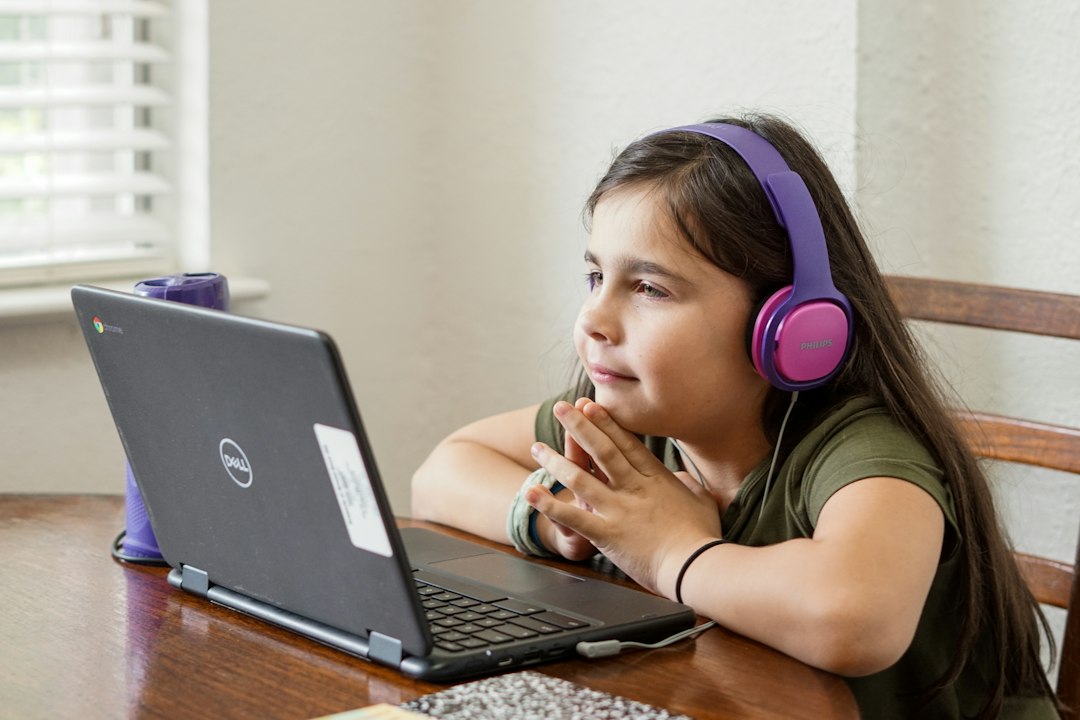
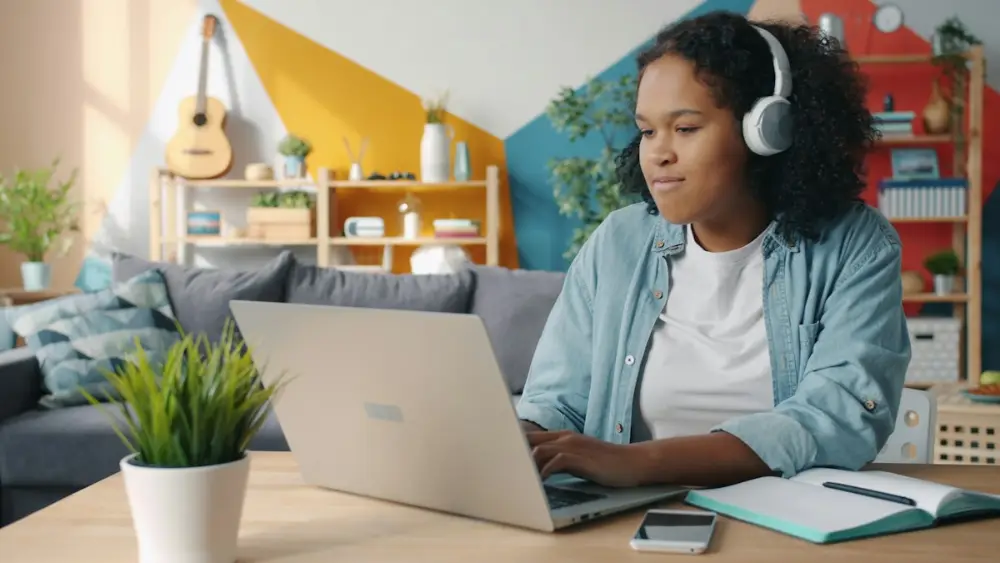
A Grade 9 girl logs in at five past four, still in her school uniform, half a paratha going cold next to the keyboard. Refraction got one forty-minute period at school last week, plus a diagram on the board that most of the class copied down without really looking. Now her tutor has a glass block on the shared screen and is dragging a beam of light into it, slowly, asking her which way it’s going to bend. Wrong guess. That’s okay, they do it again, and by round three she’s calling it before the tutor has finished moving the mouse. At Profyd, our science tutors run sessions like this every afternoon, and the pattern hardly changes: a wrong guess, a second try, then the idea clicks.
That little moment (a wrong guess, nobody laughing, another go) sums up what online science classes do well. They aren’t magic, and a dull teacher on a video call is still a dull teacher. Even so, for a lot of students in Lahore and the rest of Pakistan, and for Pakistani families living in the UK, Canada or Australia, these lessons have slowly turned into the ordinary way of getting help with physics, chemistry and biology.
So what do students actually get out of them? Rather more than a timetable that fits around school, as it happens.
So here’s what this article walks through. Pace that fits the kid rather than the register, seeing stuff that’s normally invisible, getting ready for practicals without a lab, the evenings saved from traffic, and the slow, sometimes sudden, return of confidence. Near the end there’s a bit on the tutor side of the screen too, because none of the benefits of online science classes show up without a decent teacher.
What Online Science Classes Look Like Now
Ask a parent what an online lesson looks like and many still describe the lockdown version, a frozen face on a phone and a teacher reading slides aloud while somebody’s younger brother shouts in the background. Fair enough, a lot of those lessons were bad. The ones running now are a different animal, with a whiteboard both of them scribble on at once, a simulation sitting in the next tab, and three or four past paper questions pasted into the chat near the end when there’s no time left to wriggle out of them. Some tutors teach one student at a time and some take four or five, rarely more, because past five somebody always turns the camera off and goes to make tea.
The subjects have spread out as well. Physics and chemistry used to take most of the bookings, with biology some way behind, but now the maths-heavy topics in all three sciences fill the evening slots first, which matches what platforms are seeing with the most demanded subjects for tutoring this year.
A pace that suits the student, not the register
School pace is aimed at the middle of the class, roughly, which means the quick kids are bored and the slow ones are lost and the teacher knows it but has forty of them and a syllabus to get through before March. One-to-one, none of that applies. If moles already make sense you skip ahead, and if balancing equations still feels like guesswork you can sit on it for a full hour with nobody tapping a pen and waiting.
And in science this matters more than almost anywhere, since every chapter leans on an older one. A student who half-understood particles in Grade 7 gets confused about rates of reaction in Grade 9, then stares at an equilibrium question in A Level wondering where it all went wrong, and the answer is usually a gap from years back that a tutor can find in about twenty minutes if somebody actually looks for it.
Seeing what can’t normally be seen
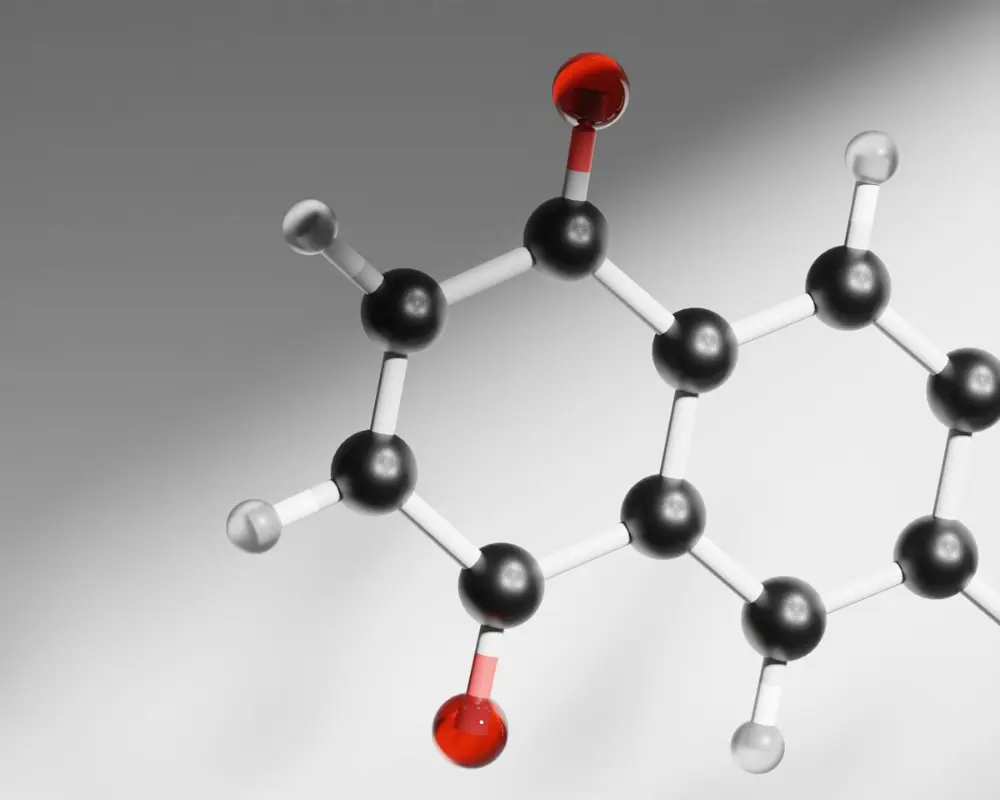
A huge chunk of the syllabus deals with things nobody can watch happen, they’re too small or too fast or both. A laptop helps a lot here. Open PhET simulations, turn up the voltage on a little circuit and the current jumps; heat a box of gas and the particles start pinging off the walls faster and faster. It takes half a minute and students remember it weeks later, which is more than you can say for most pages of notes.
Good online teachers use this constantly. Keeping a fifteen-year-old focused for an hour through a screen is a skill of its own, and the better tutors have usually collected a few tricks along the way, the kind of thing covered in this guide on how to deliver engaging online physics lessons.
Practicals, even without a lab
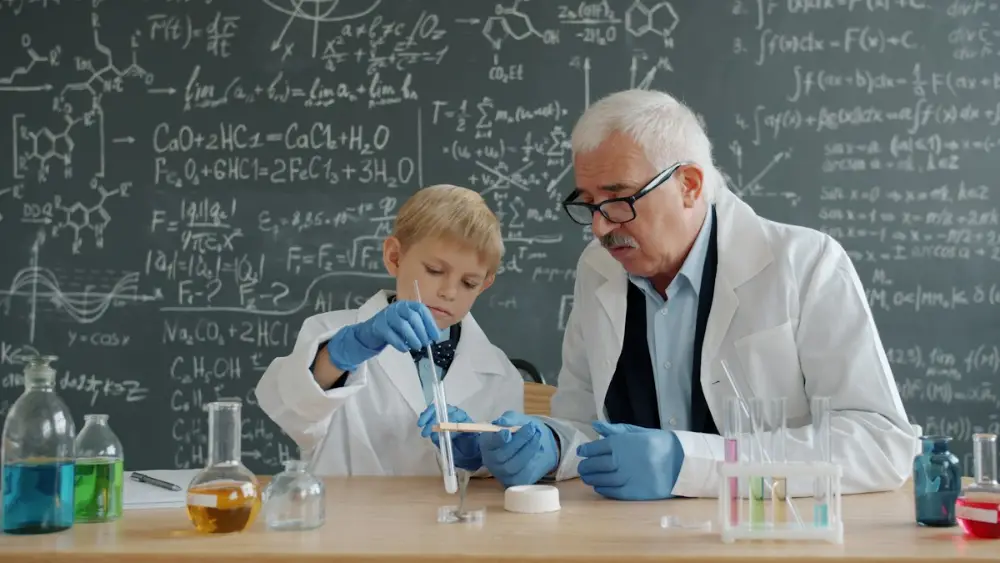
Practical work is where people raise an eyebrow, and they’ve got a point, because a titration through a webcam is not a thing. Online, the tutor’s job is more about the lead-up. They talk the method through, the student writes down what she expects to see and why, the results table gets drawn on the whiteboard in advance, so when school lab day comes round she isn’t the one flicking through the worksheet trying to work out what step four means. Sometimes there’s homework of the kitchen variety, sugar in hot tea against sugar in cold water, a sliced apple left out to go brown, and next lesson they argue about what happened (the apple usually wins).
No, it doesn’t replace a school lab, and it’s not meant to. What it does is send the student into the lab already knowing what each step is for, so when the colour change happens two drops early she has some idea why, instead of just writing down whatever the person next to her wrote.
Fewer evenings lost on the road
Anyone who has driven across Lahore at half past five knows how much of an academy evening is really spent in the car. Forty minutes there, forty back, dinner, then homework starting at ten. Cut that out and you get close to an hour and a half back on lesson days, which for a teenager juggling school, tuition and some sleep is not a small thing at all.
Pakistani families abroad have the same issue, just in a different shape. Try finding someone local in a small town in Ireland or New Zealand who knows the O Level or IGCSE papers properly, the mark schemes, the little traps examiners love setting, and you’ll be looking for a while. Online science classes make the distance irrelevant. What’s left is the time zone puzzle, and the occasional lesson where the tutor is on their second cup of chai at an hour when the student’s family has only just finished breakfast.
Confidence comes back slowly, then all at once
Plenty of students arrive convinced they’re ‘just not a science person’, usually because of a couple of bad test results and a lot of keeping quiet in class so nobody notices. Somewhere along the way the confusion turned into a belief about themselves. On a small call there’s finally room for the question that felt too silly to ask at school, and more often than you’d think the fix takes two minutes, it’s just that nobody ever had those two minutes before.
Parents tend to spot it before the report card does. The fights about homework get shorter. Then one evening the child starts explaining something at the dinner table unprompted, gets it about half right, argues with an older cousin about the other half, and goes off to check the book.
What makes a good teacher on the other side of the screen
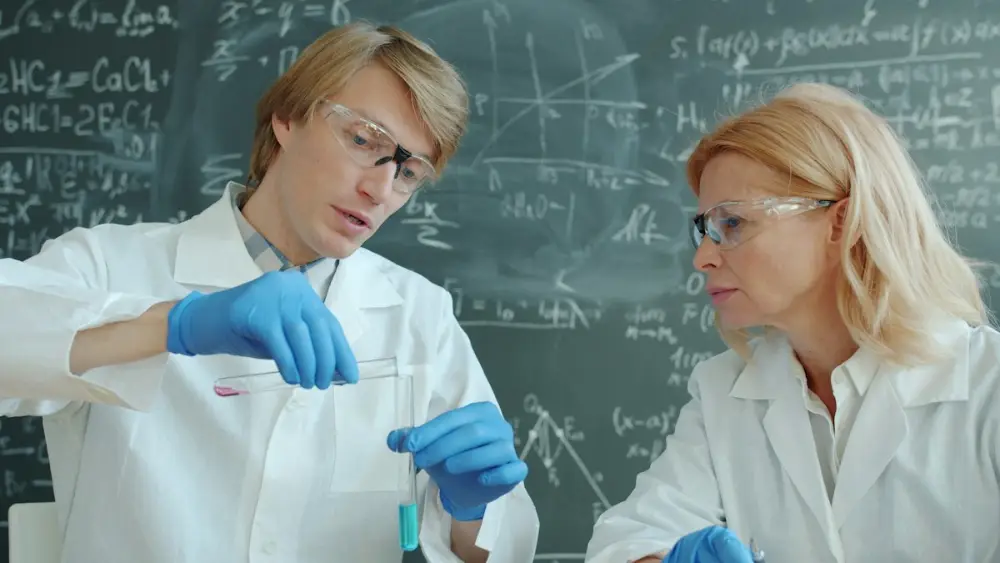
None of it works without the right person teaching. Subject knowledge is the floor rather than the ceiling; the tutors who get results tend to know the exam board inside out, can explain one idea three different ways without getting irritated, and mark work properly instead of just ticking it. Many of them have spent years on international curricula, and it shows in the planning, as this piece on how international curriculum teaching improves a teacher’s life points out.
Plenty are newer to it as well. Graduates with a strong science degree often start out tutoring online before moving into school posts, and the usual routes in are set out in this look at entry-level science teacher jobs for graduates.
For science graduates thinking about teaching online
All that demand from students has a flip side. Every family hunting for a decent chemistry tutor is a job for somebody who can teach chemistry well, and platforms that focus on science teaching make getting started a lot simpler. This comparison of the best job platform for science teachers is a sensible first stop.
Profyd also adds fresh teaching openings every week or so, and the full list sits on the current jobs page for anyone ready to apply.
Conclusion
Online science classes aren’t a replacement for school and the good ones don’t pretend to be. They patch the holes that school leaves, one topic at a time and one student at a time, with a few tools that make the invisible parts of the subject a bit easier to picture. For a student in Lahore, or a family in Canada trying to keep a child on track for exams, that combination of patience, sensible pacing and the odd good simulation can be what turns physics from the subject everyone dreads into one they quietly don’t mind, and sometimes even like.
FAQs
Are online science classes as effective as classroom lessons?
For understanding concepts and practising exam questions they’re often better, mainly because the student gets so much more of the teacher’s attention. Hands-on lab work is the exception and still needs a proper lab.
Which grades benefit most from online science classes?
Usually Grades 8 to 10, and the O Level or IGCSE years, because that’s when the topics start piling on top of each other quickest. A Level students use them a lot too, mostly for chemistry and physics.
How many sessions a week are enough?
Two a week is about right for most, maybe three in the last couple of months before exams. Go beyond that and the school homework starts slipping, which defeats the point.
Does a student need special equipment?
Not really. A laptop with a camera that works, headphones that don’t crackle and an internet connection that survives the evening is nearly all of it. A cheap drawing tablet is nice to have for diagrams, though plenty of students manage fine with a mouse.