
Build a Successful Career in Chemistry Teacher Job
Chemistry is the science that sort of holds up medicine, engineering, environmental science, and a bunch of industries that really shape everyday life. Behind every student who ends up working in these areas, there is often a chemistry teacher who made the subject click – turning a confusing equation into something genuinely interesting. If you are thinking about a chemistry teacher job in Pakistan, you are stepping into a role that is both mentally demanding and oddly satisfying too. Profyd actively supports science educators in finding the right positions that match their qualifications and personal goals.
Why Chemistry Teaching Is a Strategically Strong Career Choice
The need for properly trained science teachers, especially those who can do chemistry, keeps getting higher than the supply in a lot of places. Schools are often stuck trying to locate people who actually have the right subject knowledge but also the skill for teaching, and because of that, well-prepared chemistry teachers end up with real leverage in the employment market. In both private and government education, chemistry teacher openings are some of the steadiest but also most competitive professional roles you can find.
And more than just job security, teaching chemistry has a kind of brainwork that many other careers simply can’t match. Every academic year arrives with fresh students, fresh questions, and fresh openings to come up with more inventive ways to unpack difficult concepts. If someone really enjoys chemistry and also likes working alongside people, this job feels like a rare overlap between curiosity and human interaction.
Qualifications Required for Chemistry Teacher Jobs
The exact requirements for being qualified will change by country, plus the kind of school, but there are standards that kind of apply across the board. In most chemistry teacher roles, you usually need at least a bachelor’s degree in chemistry, chemical engineering, or something in that same science neighbourhood. For secondary schooling, this is often paired with a teaching qualification—it could be a PGCE, B.Ed., or a state-recognised teacher certification course.
When it comes to college or university teaching, the minimum is usually a master’s degree, and for research-focused places, a doctorate is preferred or sometimes even required. Now, some international schools and private colleges set their own rules, so hiring can feel more flexible in certain areas while also being more demanding in others.
The Range of Settings Where Chemistry Teachers Work
When people think about chemistry teacher careers in Lahore, Pakistan, secondary schools are usually the first image that pops up—and honestly, for good reason, because this is where the majority of roles lie. Still, the range of places chemistry educators can end up is a bit broader than most folks expect. Community colleges and technical institutes bring in chemistry instructors to cover starter courses.
Universities have chemistry faculty teaching everything from undergraduate modules through postgraduate tracks. Private tutoring centres and web-based education platforms are also growing, like they keep expanding every year. And it doesn’t stop there, because outside standard schooling, industrial training programmes and corporate learning teams sometimes recruit chemistry specialists to deliver practical, hands-on technical training to staff.
Making Chemistry Come Alive in the Classroom
Chemistry has a reputation for being difficult, abstract, and intimidating—and if students meet it that way, it can quickly turn into that exact feeling. The best chemistry teachers really try to knock down that whole story by linking what they’re learning to stuff students already care about, even if it sounds a little mundane.
Lab work is probably the most powerful tool out there. When students watch a chemical reaction happen right in front of them, like when they smell, observe, and measure, the topic stops sitting in the abstract space and suddenly becomes real. Practical experiments tied to everyday uses (how soap cleans, how food stays preserved, how medications are produced) don’t just add context; they spark real curiosity and also help memory stick much better.
And it doesn’t stop at experiments. Using multimedia resources, animations, and simulations lets students “see” molecular behaviour that the naked eye literally can’t catch. The mix of visual tools, alongside hands-on testing, tends to work way better than chalk and talk by itself.
Career Progression Within Chemistry Education
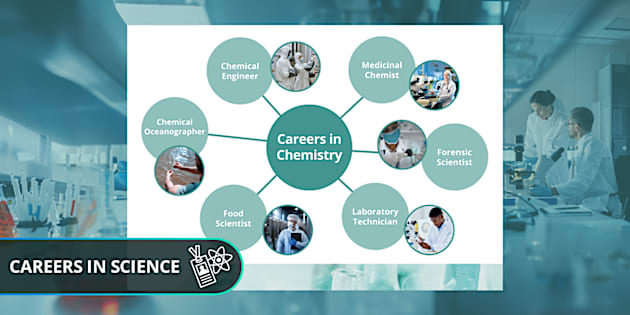
A chemistry teacher job in Pakistan does not always have to mean the same role for the next thirty years. There are multiple pathways for moving ahead in education, and honestly it can feel… different over time. Experienced teachers often end up in head of department roles, where curriculum planning happens, resource management is handled, and you also mentor junior colleagues bit by bit. After that, moving into assistant principal, principal, or academic director positions can be a fairly natural trajectory.
Some chemistry teachers shift toward curriculum development — they work with publishers or government education bodies, designing course materials and building assessment frameworks. Others choose educational consulting, advising schools about science programme design, or supporting teacher training. So the classroom is more like a starting point, not a final ceiling.
International Opportunities for Chemistry Teachers
There is this real global demand for qualified science teachers, and it kind of opens up big international teacher opportunities in Lahore, Pakistan. International schools that operate across Asia, the Middle East, Africa and Europe are regularly looking for chemistry teachers, and they often come with competitive salary packages, plus housing allowances and professional development support as well.
Also, teaching abroad gives a kind of special experience of fitting into different educational systems and cultural contexts. Honestly, it tends to make teachers more adaptable and also more imaginative in how they approach lessons. If someone has a strong chemistry background and has the right teaching qualifications, then international placements can turn into an exciting career chapter, you know, the whole “move forward” feeling.
The Role of Continuous Professional Development
Chemistry keeps evolving, honestly. New discoveries, updated safety protocols, changes in curriculum frameworks, and those newer teaching approaches all mean chemistry teachers need to stay current, not just kind of “aware”. Professional development here is more than dropping into an occasional workshop—it also means keeping up with current research, joining professional bodies, refining laboratory practices, and looking at the classroom with a real eye for what works and what doesn’t, without too much polishing or avoiding the truth.
When teachers actually invest in their own growth, you usually see more vibrant classrooms, stronger student results, and careers that feel more rewarding over time. They also often become the kind of people who step into leadership positions and end up being noticed for their impact, both at school and in the broader educational community.
Conclusion
A career in chemistry teaching feels full of intellectual stimulation, real influence, and long-term professional chances. Whether you are just starting out or you are trying to push your teaching career up a notch, the blend of solid subject knowledge, practical classroom methods, and a mindset for constant improvement will help set you apart in this field.
If you are currently browsing for chemistry teacher jobs in Pakistan and you would like to connect with schools and institutions that are genuinely seeking prepared candidates for international teaching curriculam, reach out to Profyd. The Profyd crew has the network and know-how to match capable chemistry educators with the right roles – get in touch, and let them support you in finding the position that truly fits.
Frequently Asked Questions
Q: What qualifications do I need to start a chemistry teacher job?
At the secondary school level, most positions require a bachelor’s degree in chemistry or a related science along with a recognised teaching qualification such as a PGCE or B.Ed. Requirements vary by country and institution type, so researching the specific standards in your target region is important.
Q: Are there chemistry teaching positions available outside of school settings?
Yes. Community colleges, universities, online education platforms, tutoring centres, and even corporate training departments all hire chemistry specialists. The range of settings is broader than many people realise, giving teachers flexibility in how they apply their skills.
Q: How can I make chemistry more engaging for students who find it difficult?
Prioritise hands-on laboratory experiments and connect content to real-world applications that students encounter in daily life. Use visual simulations for molecular-level concepts and create a classroom culture where questions are welcomed and curiosity is rewarded. Relating chemistry to careers students are interested in also increases engagement.
Q: What career advancement options exist for experienced chemistry teachers?
Experienced chemistry teachers can move into head of department positions, curriculum development roles, educational consulting, and school leadership. International schools also offer rewarding opportunities for those interested in working abroad.